
Careers in Environmental Science and Sustainability
Explore environmental science careers in conservation, sustainability, climate research, pollution control, and environmental impact assessment.
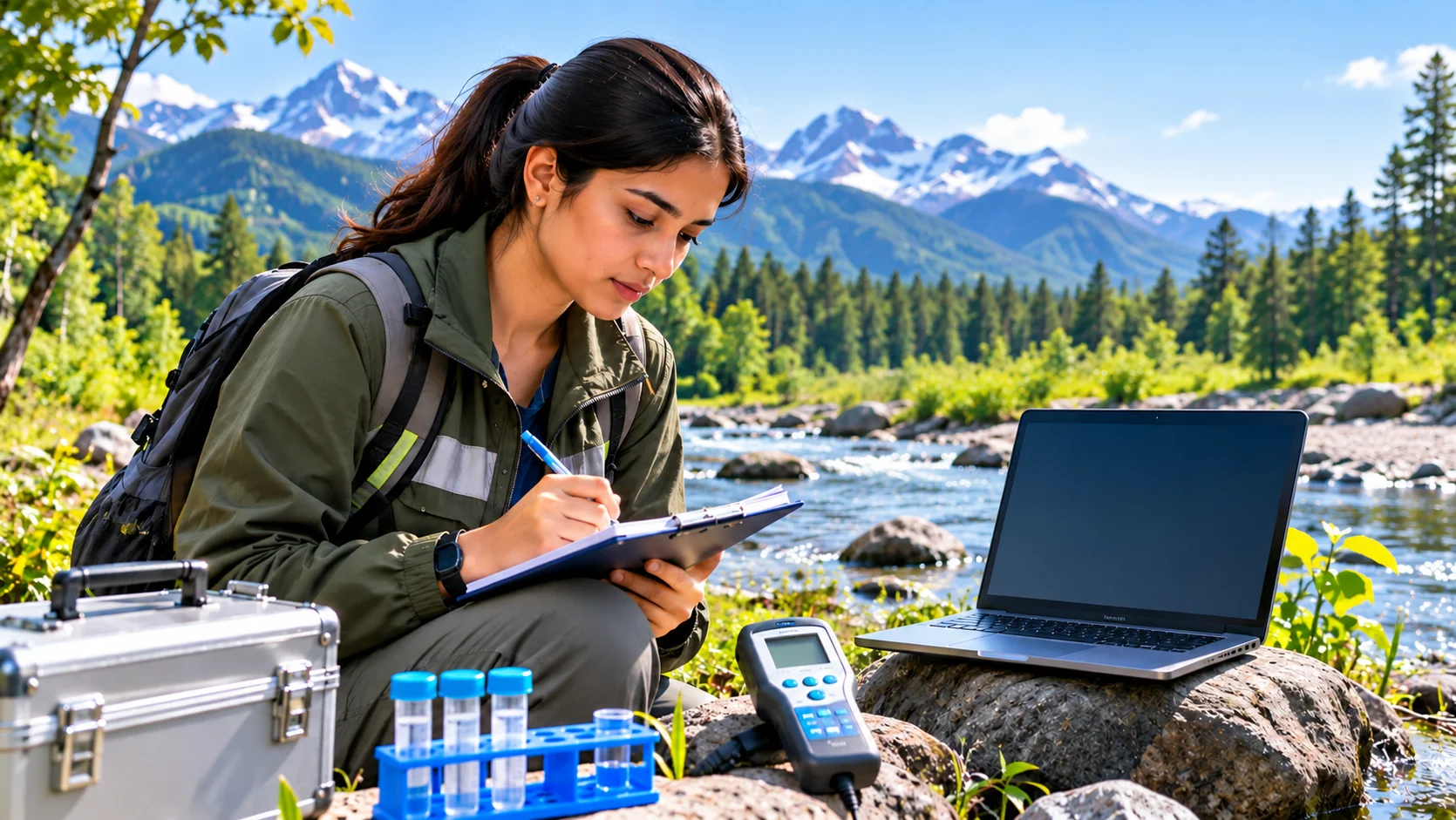
Careers in Environmental Science and Sustainability
Environmental challenges affect the way people live, work, and use natural resources. Climate change, air pollution, water shortages, deforestation, and declining wildlife populations have made environmental protection an important priority around the world. Environmental scientists and sustainability professionals study these issues and help communities, businesses, and governments make better decisions.
A career in environmental science offers opportunities to work outdoors, conduct research, analyze data, protect natural habitats, and develop practical solutions to environmental problems. The field includes several specializations, from wildlife conservation and climate research to environmental monitoring and sustainable business practices.
What Is Environmental Science?
Environmental science is the study of the natural world and the relationship between living organisms and their surroundings. It combines knowledge from biology, chemistry, geology, ecology, geography, and other scientific disciplines to understand environmental systems.
Professionals in this field investigate how human activities affect air, water, soil, wildlife, and ecosystems. They collect evidence, examine environmental changes, and help develop strategies to reduce damage and protect natural resources.
What Is Sustainability?
Sustainability means using natural, social, and economic resources responsibly so that present needs can be met without limiting the ability of future generations to meet their own needs.
Sustainability professionals help organizations reduce waste, use energy more efficiently, manage resources, and consider the environmental impact of their activities. Their work can involve renewable energy, responsible supply chains, sustainable construction, and environmental planning.
What Does an Environmental Scientist Do?
Environmental scientists investigate environmental conditions and identify potential risks to ecosystems and human health. Their responsibilities depend on their specialization and workplace, but many roles involve research, fieldwork, laboratory analysis, and report preparation.
Collecting Environmental Samples
Scientists may collect samples of water, soil, air, or vegetation to examine environmental conditions. These samples are tested to identify pollutants, chemical changes, and other signs of environmental damage.
Monitoring Environmental Conditions
Environmental professionals monitor changes in natural systems over time. They may study water quality, air pollution, soil conditions, biodiversity, or the effects of industrial activities.
Analyzing Research Data
Environmental scientists organize and interpret information gathered through field studies, laboratory tests, surveys, and monitoring equipment. Their findings help explain environmental problems and support practical recommendations.
Preparing Reports and Recommendations
Scientists communicate their findings through technical reports, research papers, presentations, and environmental assessments. These documents help decision-makers understand risks and consider suitable solutions.
Supporting Environmental Protection
Some professionals work with conservation organizations, government departments, and local communities to protect natural habitats, manage resources, and improve environmental practices.
Popular Careers in Environmental Science and Sustainability
Environmental science is a broad field with opportunities in research, conservation, consulting, government, education, and industry. The following roles represent some of the career paths available to people with relevant knowledge and experience.
1. Environmental Scientist
Environmental scientists study environmental conditions and investigate problems such as pollution, contaminated land, and ecosystem damage. They may work in laboratories, research institutions, consulting companies, or government agencies.
2. Environmental Consultant
Environmental consultants help organizations understand and manage the environmental effects of their activities. They may conduct site assessments, review environmental risks, prepare reports, and recommend ways to improve compliance and reduce harm.
3. Conservation Scientist
Conservation scientists work to protect forests, wildlife habitats, soil, and other natural resources. They may develop conservation plans, monitor ecosystems, and work with landowners or public agencies to support responsible resource management.
4. Wildlife Biologist
Wildlife biologists study animals, their behavior, populations, and habitats. Their work can include field observations, species monitoring, habitat research, and conservation projects designed to protect biodiversity.
5. Climate Researcher
Climate researchers examine long-term changes in temperature, rainfall, atmospheric conditions, and other climate patterns. They analyze observations and scientific data to improve understanding of climate systems and their effects on people and ecosystems.
6. Environmental Health and Safety Specialist
Environmental health and safety specialists help workplaces identify and reduce risks related to pollution, hazardous materials, waste, and workplace conditions. Their responsibilities may include inspections, safety procedures, training, and regulatory documentation.
7. Sustainability Specialist
Sustainability specialists help businesses and organizations improve how they use energy, water, materials, and other resources. They may measure environmental performance, identify waste reduction opportunities, and support sustainability programs.
8. Renewable Energy Specialist
Renewable energy specialists work with technologies and projects involving solar, wind, hydropower, and other renewable energy sources. Depending on the role, they may contribute to research, project planning, environmental assessment, or energy management.
9. Environmental Planner
Environmental planners consider environmental factors when land, infrastructure, and development projects are being planned. They help assess potential impacts and identify ways to protect natural resources during development.
Important Skills for Environmental Science Careers
Environmental professionals need scientific knowledge as well as practical skills. The exact requirements depend on the role, but several abilities are useful across many specializations.
Scientific Research
Understanding research methods helps professionals investigate environmental problems, collect reliable evidence, and evaluate possible solutions. They should know how to ask research questions and interpret results carefully.
Data Analysis
Environmental work often involves measurements, observations, maps, and large datasets. The ability to organize information, recognize patterns, and explain results is important for making informed decisions.
Fieldwork and Observation
Many environmental roles involve working outside laboratories and offices. Professionals may visit forests, rivers, industrial sites, agricultural land, or protected areas to collect samples and observe environmental conditions.
Communication Skills
Environmental scientists must explain technical information to people with different backgrounds. Clear writing and presentation skills help them share research findings with colleagues, clients, communities, and decision-makers.
Problem-Solving
Environmental problems are often connected to economic, social, and scientific factors. Professionals need to evaluate different options and recommend solutions that are practical and supported by evidence.
Knowledge of Environmental Regulations
Many positions require an understanding of environmental standards, permits, reporting procedures, and relevant regulations. Requirements vary between countries and industries, so professionals must stay familiar with the rules that apply to their work.
Tools and Technology Used in Environmental Science
Modern environmental work uses a variety of scientific instruments and digital tools. These technologies help professionals collect information, monitor natural systems, and present research findings.
Education and Qualifications
Many environmental science positions require a bachelor's degree in environmental science or a related subject. Relevant study areas may include biology, chemistry, ecology, geology, geography, environmental engineering, and natural resource management.
Some specialized roles require postgraduate education. For example, advanced climate research, ecological research, environmental chemistry, and university teaching may benefit from a master's degree or doctorate.
Practical experience is also valuable. Fieldwork, laboratory projects, internships, research assignments, and volunteering with conservation organizations can help students understand how environmental knowledge is applied in professional settings.
How to Start a Career in Environmental Science
Entering the environmental sector requires a combination of education, practical experience, and an understanding of the area in which you want to work. A clear learning plan can help you build relevant skills step by step.
Step 1: Choose an Area of Interest
Explore different subjects such as wildlife conservation, climate science, pollution control, environmental health, geology, or sustainability. Consider whether you prefer fieldwork, laboratory research, data analysis, or organizational planning.
Step 2: Build a Scientific Foundation
Develop a basic understanding of biology, chemistry, geography, ecology, and environmental systems. These subjects provide useful knowledge for many environmental science specializations.
Step 3: Gain Practical Experience
Look for opportunities to participate in field studies, laboratory activities, university projects, conservation programs, or environmental awareness initiatives. Practical experience helps connect scientific concepts with real environmental conditions.
Step 4: Learn Relevant Tools
Consider learning GIS, data analysis, environmental monitoring techniques, and scientific reporting. Select tools according to your chosen career direction rather than trying to master everything at once.
Step 5: Develop a Professional Portfolio
Keep records of research projects, fieldwork, maps, laboratory assignments, reports, and other relevant work. A portfolio can help demonstrate your practical experience when applying for internships or entry-level positions.
Step 6: Apply for Entry-Level Opportunities
Search for environmental technician, research assistant, conservation assistant, sustainability coordinator, and junior environmental consultant positions. Internships and volunteer projects can also help you develop professional experience.
Careers in Sustainability
Sustainability has become an important part of business planning, construction, energy management, transportation, and resource use. Organizations increasingly consider how their activities affect the environment and how they can operate more responsibly.
Corporate Sustainability Specialist
These professionals help companies review environmental performance and develop plans for reducing waste, improving resource efficiency, and meeting sustainability goals.
Environmental, Social and Governance Analyst
ESG analysts examine information about an organization's environmental, social, and governance practices. Their work may involve reviewing reports, evaluating performance indicators, and identifying areas that require improvement.
Renewable Energy Project Coordinator
Renewable energy project coordinators help organize projects involving solar, wind, and other clean energy technologies. Their responsibilities may include scheduling, documentation, communication, and project progress tracking.
Sustainable Supply Chain Specialist
These specialists examine how products are sourced, manufactured, transported, and delivered. They look for ways to reduce waste, improve resource use, and support responsible business practices.
Industries That Hire Environmental Professionals
Environmental science and sustainability skills are useful in a wide range of sectors. Employment opportunities depend on local industry needs, qualifications, and experience.
Environmental Impact Assessment
An environmental impact assessment examines the possible effects of a proposed project on the natural and human environment. It may be required before certain developments, such as roads, industrial facilities, energy projects, and large construction activities.
Environmental professionals may collect baseline information, identify possible risks, evaluate alternatives, and recommend measures to reduce negative effects. Their findings help project teams and relevant authorities consider environmental concerns before decisions are made.
Challenges in Environmental Science Careers
Environmental work can be meaningful, but it also involves practical difficulties. Field researchers may work in changing weather conditions or remote locations. Laboratory professionals must follow careful procedures to maintain reliable results, while consultants may work with strict project deadlines.
Environmental problems can also be complex. A proposed solution may involve scientific, financial, social, and regulatory considerations. Professionals need patience, strong evidence, and the ability to communicate different perspectives.
Another challenge is the need for continuous learning. Scientific methods, environmental technologies, regulations, and sustainability practices develop over time. Keeping knowledge current is an important part of professional growth.
Is Environmental Science a Good Career Choice?
Environmental science may be a suitable career for people who enjoy scientific investigation and want to contribute to the responsible management of natural resources. It offers different working environments, including laboratories, research centers, outdoor locations, consulting offices, and businesses.
The best career path depends on your interests and strengths. Someone who enjoys studying animals may prefer wildlife biology, while a person interested in business and resource efficiency may choose sustainability. Those who enjoy mapping and spatial data may explore GIS and environmental planning.
Frequently Asked Questions
What qualifications are needed for environmental science careers?
Many positions require a bachelor's degree in environmental science or a related subject such as biology, chemistry, geology, ecology, or environmental engineering. Specialized research roles may require postgraduate qualifications.
Can I work in sustainability with an environmental science degree?
Yes. Environmental science provides useful knowledge about natural resources, ecosystems, pollution, and environmental impacts. Additional skills in business, reporting, energy management, or sustainability assessment may help with particular roles.
Do environmental scientists work outdoors?
Many environmental scientists conduct fieldwork, but not every role involves regular outdoor activity. Some professionals mainly work in laboratories, offices, research institutions, or consulting organizations.
What is the difference between environmental science and sustainability?
Environmental science focuses on understanding natural systems and environmental problems through scientific research. Sustainability focuses on managing resources and activities responsibly over the long term. The two fields often overlap.
What does an environmental consultant do?
An environmental consultant helps organizations assess environmental risks, review site conditions, prepare reports, and identify ways to reduce the environmental effects of projects and business activities.
Which skills are useful for a beginner?
Research, data analysis, scientific observation, communication, report writing, and problem-solving are useful starting skills. Familiarity with GIS and environmental monitoring can also be valuable.
Final Thoughts
Environmental science and sustainability careers offer opportunities to understand environmental challenges and contribute to practical solutions. From conservation and climate research to pollution monitoring and sustainable business planning, professionals in this field help protect natural resources and improve how organizations interact with the environment.
If you are interested in this career path, begin by exploring the subjects that interest you most, developing a strong scientific foundation, and gaining practical experience. With relevant education, useful technical skills, and a commitment to continuous learning, you can prepare for opportunities across the environmental sector.
Continue exploring: all career guides · career categories