
Cybersecurity Careers: Roles, Certifications and Skills
Explore cybersecurity careers, including security analyst roles, penetration testing, ethical hacking, essential certifications, technical skills, career paths and job opportunities in the growing field of information security.
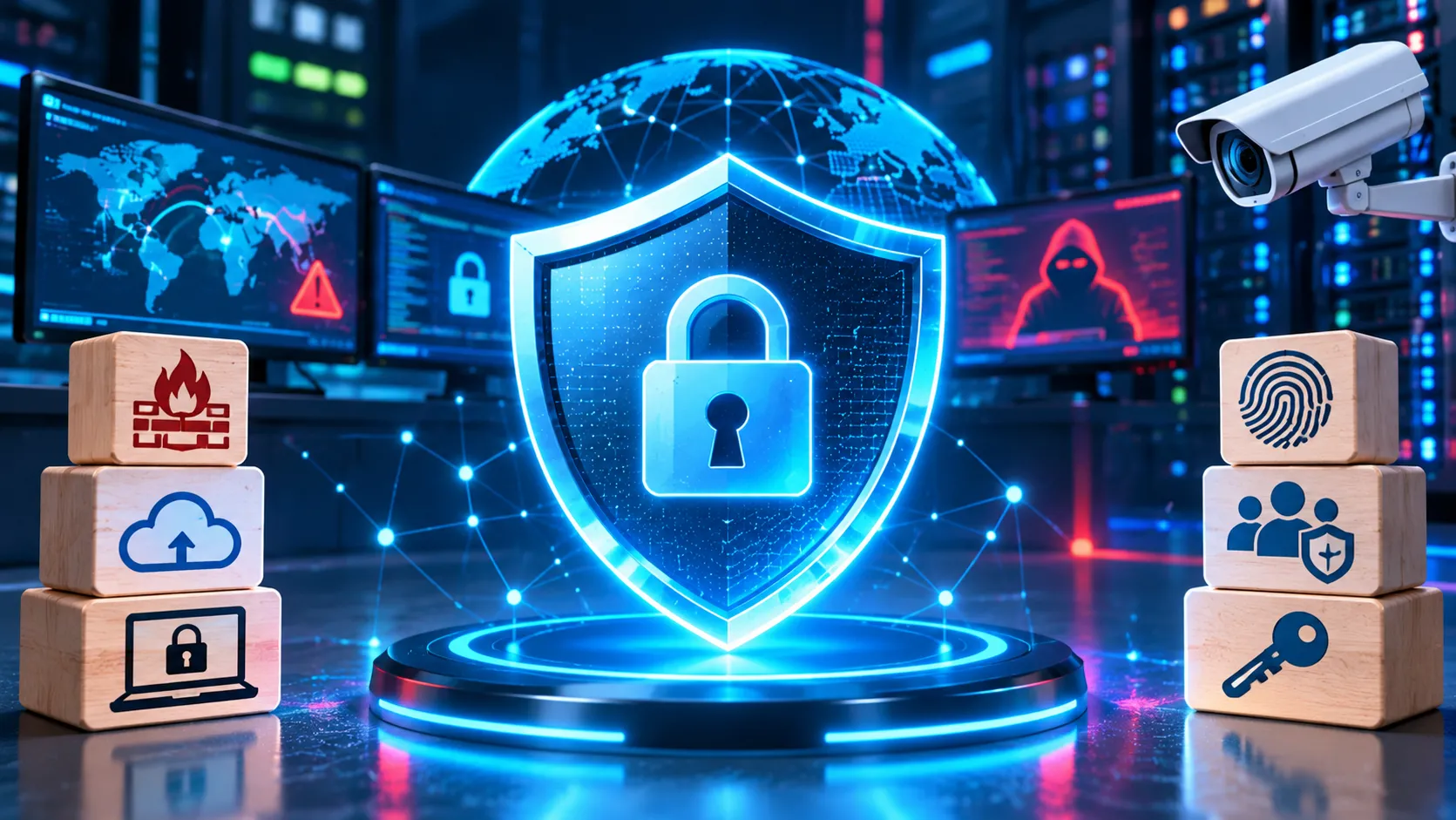
Cybersecurity Careers: Roles, Certifications and Skills
Cybersecurity careers offer opportunities for people who want to protect computer systems, networks, applications and sensitive information from digital threats. As businesses, governments and individuals depend increasingly on digital services, the need for skilled cybersecurity professionals continues to grow.
From monitoring security alerts to testing networks for weaknesses, cybersecurity professionals perform different roles that help organizations prevent attacks, investigate incidents and protect valuable data. This guide explains the main cybersecurity career options, qualifications, certifications, technical skills and steps to enter the profession.
What Is Cybersecurity?
Cybersecurity is the practice of protecting computers, servers, networks, applications and digital information against unauthorized access, damage, theft and disruption. It combines technology, security policies, risk management and continuous monitoring to reduce digital risks.
Cybersecurity professionals work across areas such as network security, application security, cloud security, identity management, incident response and information security governance.
Popular Cybersecurity Career Roles
1. Cybersecurity Analyst
Cybersecurity analysts monitor systems and networks for suspicious activity. They investigate security alerts, review logs, identify potential threats and help organizations respond to security incidents.
2. Penetration Tester
Penetration testers perform authorized security assessments to identify weaknesses in applications, networks and systems. They use controlled testing techniques to demonstrate how vulnerabilities could be exploited and recommend ways to fix them.
3. Security Engineer
Security engineers design, implement and maintain technical controls that protect an organization's infrastructure. Their work may involve firewalls, endpoint protection, identity systems, encryption and network security architecture.
4. Security Operations Center (SOC) Analyst
SOC analysts work in security operations teams that monitor an organization's technology environment. They investigate alerts, prioritize incidents and coordinate with other teams when suspicious activity is detected.
5. Ethical Hacker
Ethical hackers use approved security testing methods to discover weaknesses before malicious attackers can exploit them. They must work within a clearly authorized scope and follow professional testing rules.
6. Cloud Security Specialist
Cloud security specialists protect cloud-based infrastructure, applications and data. They help configure secure cloud environments, manage permissions, monitor risks and apply security controls across cloud services.
Essential Skills for Cybersecurity Professionals
Cybersecurity requires a combination of technical knowledge, analytical thinking and communication skills. The exact requirements depend on the job role and level of responsibility.
Technical Skills
Professional Skills
Important Cybersecurity Certifications
Professional certifications can help demonstrate knowledge and support career development. Some are designed for beginners, while others require relevant experience or advanced technical understanding.
CompTIA Security+
CompTIA Security+ is a widely recognized entry-level security certification. It covers topics such as threats, vulnerabilities, security architecture, operations and risk management.
Certified Ethical Hacker (CEH)
The CEH certification focuses on ethical hacking concepts, security assessment methods and the techniques used to identify weaknesses in systems. Candidates should understand that testing must always be authorized.
Certified Information Systems Security Professional (CISSP)
CISSP is an advanced information security certification covering security management, risk, architecture, operations and related professional responsibilities. It is generally more suitable for experienced security professionals.
CompTIA Network+
Network+ develops foundational networking knowledge that can be useful before moving into specialized cybersecurity roles.
GIAC Certifications
GIAC offers specialized certifications in areas such as incident response, penetration testing, security operations and digital forensics. The most suitable option depends on the candidate's experience and career direction.
Education and Qualifications
Many cybersecurity professionals have a degree in computer science, information technology, information systems or cybersecurity. However, a specific degree is not the only route into the profession.
Relevant education and learning options include:
Employers may also consider practical experience, technical projects, internships and demonstrated problem-solving ability when evaluating candidates.
How to Start a Career in Cybersecurity
Cybersecurity Career Progression
Career progression varies according to technical ability, experience, qualifications and the needs of an organization. A possible pathway is:
Where Do Cybersecurity Professionals Work?
Cybersecurity professionals are employed across many industries because organizations in different sectors need to protect their digital systems and information.
Cybersecurity Career Challenges
Cybersecurity can be rewarding, but it also involves ongoing learning and responsibility. Threats and technologies change frequently, and some positions require shift work or responding to incidents outside normal working hours.
Professionals must also protect confidential information, follow legal requirements, document their work accurately and use security tools responsibly.
Future Opportunities in Cybersecurity
Organizations continue to adopt cloud platforms, connected devices, digital payment systems and remote working technologies. These developments create security responsibilities involving identity protection, cloud infrastructure, application security, data privacy and incident response.
Artificial intelligence is also influencing security operations. It can help teams analyze large volumes of alerts and identify patterns, while creating new challenges involving automated attacks, data protection and model security. Professionals who combine strong security fundamentals with the ability to adapt to new technologies can pursue opportunities across several specializations.
Conclusion
Cybersecurity offers a range of career paths for people interested in technology, investigation and digital protection. Whether the goal is to become a security analyst, ethical hacker, penetration tester, security engineer or cloud security specialist, building strong fundamentals is an important first step.
Practical experience, relevant certifications, ethical conduct and continuous learning can help candidates develop the knowledge needed to progress in this field.
Frequently Asked Questions
1. Is cybersecurity a good career choice?
Cybersecurity can be a strong career choice for people who enjoy technology, problem-solving and protecting digital systems. Opportunities are available across many industries.
2. Can beginners start a cybersecurity career?
Yes. Beginners can start by learning computer fundamentals, networking, operating systems and security basics before applying for entry-level IT or security positions.
3. Do I need a degree to work in cybersecurity?
A degree can be helpful, but some employers also consider certifications, practical experience, technical projects and relevant skills.
4. Which cybersecurity certification should beginners consider?
CompTIA Security+ is one option for building foundational security knowledge. Networking qualifications and practical training can also support beginners.
5. What programming language is useful in cybersecurity?
Python is useful for automation and security analysis. Bash and PowerShell are also valuable for working with Linux and Windows environments.
6. What is the difference between an ethical hacker and a cybersecurity analyst?
An ethical hacker performs authorized tests to find weaknesses, while a cybersecurity analyst generally monitors systems, investigates alerts and helps protect an organization's environment.
7. Can cybersecurity professionals work remotely?
Some cybersecurity roles offer remote or hybrid arrangements. Availability depends on the employer, responsibilities, security requirements and access restrictions.
Continue exploring: all career guides · career categories