Artificial Intelligence

Geophysics Careers: Skills, Tools and Opportunities

Explore geophysics careers in seismic surveys, subsurface investigation and Earth data analysis. Learn about job roles, qualifications, technical tools and essential skills.
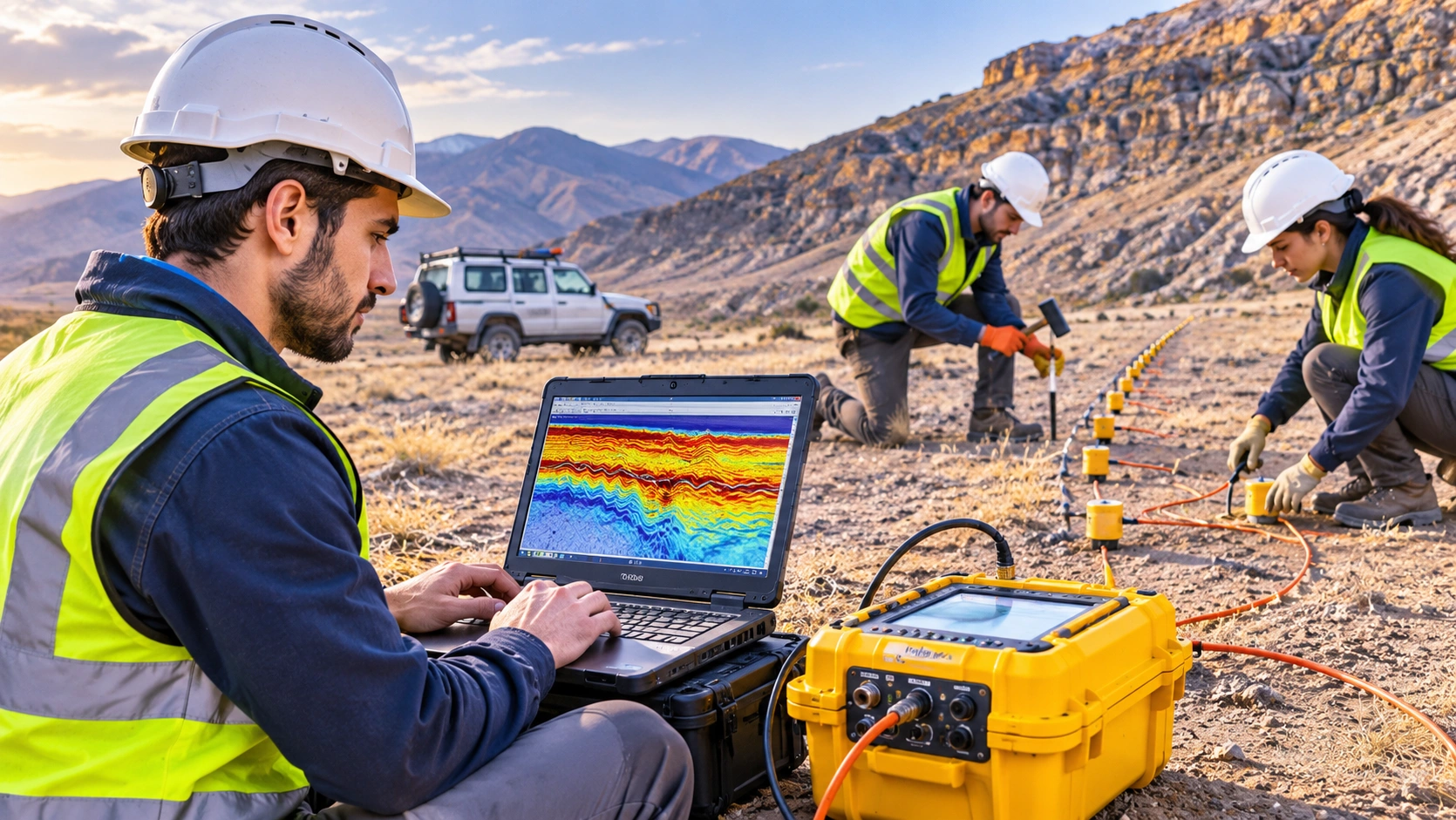
Geophysics Careers: Skills, Tools and Opportunities featured image


Geophysics Careers: Skills, Tools and Opportunities


Geophysics is the scientific study of the Earth using principles of physics, mathematics and advanced measurement techniques. Geophysicists investigate what lies beneath the Earth's surface by analyzing physical properties such as seismic waves, gravity, magnetic fields, electrical resistance and variations in temperature. Their work helps explain geological structures, locate natural resources and assess conditions below the ground.


Geophysics careers offer opportunities in mineral exploration, oil and gas, environmental investigation, groundwater studies, engineering projects, natural hazard assessment and scientific research. Professionals combine field surveys, computer modelling and data interpretation to understand underground conditions. This guide explains the major career areas, job responsibilities, qualifications, technical tools and skills needed to enter the geophysics profession.


1. What Is Geophysics?


Geophysics applies physical principles to investigate the structure and processes of the Earth. Unlike geological fieldwork that often examines exposed rocks and surface features, geophysics can provide information about underground formations through measurements collected at the surface, in boreholes, from aircraft or through remote sensing systems.


Geophysical investigations use different methods depending on the project. Seismic surveys examine how waves travel through underground materials, magnetic surveys identify variations in magnetic properties, and gravity surveys measure small differences in the Earth's gravitational field.


These methods help professionals investigate geological structures without relying entirely on drilling or excavation. Geophysical results are often combined with geological maps, borehole records, laboratory tests and other information to develop a clearer understanding of the subsurface.


2. Major Areas of Geophysics


Seismic Geophysics


Seismic geophysics studies how seismic waves travel through the Earth. These waves can be generated naturally by earthquakes or artificially during controlled surveys. By recording and analyzing wave reflections and travel times, geophysicists can interpret underground layers and geological structures.


  • Plan and support seismic field surveys.
  •    
  • Collect data using geophones and other recording equipment.
  •    
  • Process seismic measurements.
  •    
  • Interpret subsurface reflections and geological structures.
  •    
  • Prepare seismic sections and technical reports.
  •  


    Seismic methods are widely used in petroleum exploration, engineering investigations and studies of Earth's internal structure.


    Gravity and Magnetic Geophysics


    Gravity and magnetic methods measure variations in physical fields that can reveal differences in underground rock properties. These techniques are useful in regional geological mapping, mineral exploration and the investigation of large-scale geological structures.


    • Collect gravity or magnetic measurements.
    •    
    • Correct and process survey data.
    •    
    • Identify anomalies that may indicate geological features.
    •    
    • Prepare geophysical maps and interpretation models.
    •    
    • Combine results with geological and geochemical information.
    •  


      Electrical and Electromagnetic Geophysics


      Electrical and electromagnetic methods investigate how underground materials respond to electrical currents and electromagnetic fields. Different rocks, soils, minerals and fluids can have different electrical properties.


      • Conduct electrical resistivity surveys.
      •    
      • Use electromagnetic equipment to investigate subsurface conditions.
      •    
      • Study groundwater and geological formations.
      •    
      • Support mineral and environmental investigations.
      •    
      • Interpret electrical measurements to identify underground variations.
      •  


        Environmental and Engineering Geophysics


        Environmental and engineering geophysics applies geophysical techniques to practical site investigations. Professionals use non-invasive or minimally invasive methods to examine ground conditions before construction, investigate contamination and identify underground features.


        • Investigate soil and rock conditions at construction sites.
        •    
        • Identify underground voids and buried structures.
        •    
        • Support groundwater and environmental investigations.
        •    
        • Assess geological conditions for roads, dams and buildings.
        •    
        • Prepare site investigation reports for engineering teams.
        •  


          Exploration Geophysics


          Exploration geophysics uses physical measurements to help locate and evaluate natural resources. Mining and energy companies use geophysical surveys to investigate mineral deposits, sedimentary basins and other geological targets.


          • Design geophysical exploration programs.
          •    
          • Collect and process field measurements.
          •    
          • Identify geological anomalies and potential targets.
          •    
          • Integrate geophysical results with geological information.
          •    
          • Support decisions about additional exploration work.
          •  


            3. Popular Geophysics Job Roles


            Geophysics graduates can explore technical, field-based, analytical and research positions. Common job titles include:


            • Geophysicist: Studies the physical properties of the Earth and interprets geophysical measurements.
            •    
            • Seismic Interpreter: Analyzes seismic data to understand underground geological structures.
            •    
            • Exploration Geophysicist: Conducts geophysical investigations to support mineral or energy exploration.
            •    
            • Geophysical Field Technician: Sets up survey equipment, collects measurements and maintains field records.
            •    
            • Processing Geophysicist: Processes and prepares geophysical datasets for interpretation.
            •    
            • Environmental Geophysicist: Uses geophysical methods for groundwater, contamination and environmental investigations.
            •    
            • Engineering Geophysicist: Investigates ground conditions for construction and infrastructure projects.
            •    
            • Geophysical Data Analyst: Processes, analyzes and visualizes geophysical information.
            •    
            • Research Geophysicist: Studies Earth processes and develops new methods for geophysical investigation.
            •  


              4. Qualifications Required for Geophysics Careers


              Most professional geophysics positions require a relevant university education in geophysics, physics, geology, Earth science or a related discipline. The exact requirements depend on the employer and the technical responsibilities of the role.


              Relevant Degree Programs


              • Bachelor's degree in Geophysics.
              •    
              • Bachelor's degree in Geology or Earth Sciences.
              •    
              • Bachelor's degree in Physics or Applied Physics.
              •    
              • Bachelor's degree in Applied Geology.
              •    
              • Bachelor's degree in Geoscience.
              •    
              • Master's degree in Exploration Geophysics.
              •    
              • Master's degree in Seismology or Applied Geophysics.
              •    
              • Postgraduate study in Geophysical Data Analysis or Earth Physics.
              •  


                Some specialized positions, particularly those involving advanced modelling, seismic interpretation or academic research, may require a master's degree or doctorate. Practical field experience and technical training can also be important when applying for industry roles.


                5. Essential Skills for Geophysicists


                Geophysics requires a combination of scientific understanding, mathematical ability, technical knowledge and analytical thinking. Professionals must be comfortable working with measurements and interpreting complex information.


                Scientific and Mathematical Skills


                • Physics: Understanding waves, electricity, magnetism, gravity and physical properties of materials.
                •    
                • Mathematics: Applying calculus, statistics, linear algebra and numerical methods.
                •    
                • Geology: Understanding rocks, geological structures and Earth's history.
                •    
                • Signal processing: Working with measured signals and identifying meaningful patterns.
                •    
                • Data interpretation: Understanding geophysical measurements and recognizing uncertainty.
                •    
                • Problem-solving: Selecting appropriate methods for different investigation challenges.
                •  


                  Fieldwork Skills


                  • Operating and handling geophysical survey equipment.
                  •    
                  • Setting up instruments and recording measurements.
                  •    
                  • Following survey procedures and field safety requirements.
                  •    
                  • Maintaining accurate field notes and equipment records.
                  •    
                  • Working effectively in remote and outdoor environments.
                  •  


                    Professional Skills


                    • Technical report writing.
                    •    
                    • Communication with engineers, geologists and project teams.
                    •    
                    • Teamwork and collaboration.
                    •    
                    • Attention to detail and data quality.
                    •    
                    • Time management and project organization.
                    •    
                    • Continuous learning and adaptability.
                    •  


                      6. Software and Technical Tools Used in Geophysics


                      Geophysicists use specialized software to process measurements, interpret results and create models of underground structures. The tools required depend on the survey method and industry.


                      Seismic Processing and Interpretation


                      • Petrel: Supports seismic interpretation and subsurface geological modelling.
                      •    
                      • Kingdom: Used in seismic interpretation and exploration workflows.
                      •    
                      • Seismic processing software: Processes seismic recordings and prepares datasets for interpretation.
                      •  


                        Geophysical Modelling and Analysis


                        • Oasis montaj: Used for processing and interpreting potential field and other geophysical data.
                        •    
                        • RES2DINV: Used for interpreting electrical resistivity and induced polarization survey data.
                        •    
                        • MATLAB: Supports numerical calculations, signal processing and scientific modelling.
                        •    
                        • Python: Helps automate workflows, process measurements and create data visualizations.
                        •    
                        • QGIS and ArcGIS: Support geographic mapping and spatial analysis.
                        •  


                          Students should first develop a strong understanding of geophysical methods and data interpretation. Learning software becomes more effective when connected to real survey examples and practical projects.


                          7. Industries That Hire Geophysicists


                          Geophysics is used in several industries because understanding underground conditions is important for resource exploration, infrastructure development and environmental protection.


                          • Mining companies: Mineral exploration and geological investigation.
                          •    
                          • Oil and gas companies: Seismic surveys, basin analysis and subsurface exploration.
                          •    
                          • Environmental consultancies: Groundwater studies, contamination investigations and site assessment.
                          •    
                          • Engineering companies: Ground investigations for roads, tunnels, dams and buildings.
                          •    
                          • Government agencies: Geological surveys, earthquake monitoring and natural resource studies.
                          •    
                          • Geophysical service providers: Survey planning, data collection, processing and interpretation.
                          •    
                          • Research institutions: Earth physics, seismology and geophysical technology research.
                          •    
                          • Renewable energy organizations: Geological investigations for geothermal energy projects.
                          •  


                            8. How to Start a Career in Geophysics


                            Students and graduates can prepare for geophysics careers by developing a strong foundation in physics, mathematics and Earth science. Practical experience is especially valuable because many roles involve field measurements and technical data interpretation.


                            1. Choose a relevant degree: Study geophysics, physics, geology, Earth science or a related subject.
                            2.    
                            3. Strengthen scientific fundamentals: Develop knowledge of mathematics, waves, electricity, magnetism and geological processes.
                            4.    
                            5. Learn geophysical methods: Understand seismic, magnetic, gravity and electrical survey techniques.
                            6.    
                            7. Develop computing skills: Practice data analysis using Python, MATLAB or other relevant tools.
                            8.    
                            9. Gain field experience: Participate in university surveys, field camps and supervised investigations.
                            10.    
                            11. Complete practical projects: Work with real or academic datasets and prepare interpretation reports.
                            12.    
                            13. Apply for internships: Seek opportunities with exploration companies, engineering consultancies and research institutions.
                            14.    
                            15. Build a technical portfolio: Include survey exercises, maps, data visualizations and project summaries.
                            16.    
                            17. Apply for entry-level roles: Search for graduate geophysicist, field technician and junior data analyst positions.
                            18.  


                              9. Geophysics Career Progression


                              Career progression depends on experience, technical specialization, project responsibilities and professional development. Geophysicists can develop into senior technical specialists, project leaders or research professionals.


                              1. Entry level: Geophysical Field Assistant, Graduate Geophysicist or Survey Technician.
                              2.    
                              3. Early career: Junior Geophysicist, Seismic Data Analyst or Exploration Geophysicist.
                              4.    
                              5. Experienced professional: Senior Geophysicist, Processing Specialist or Interpretation Geophysicist.
                              6.    
                              7. Management level: Geophysics Project Manager, Technical Lead or Exploration Manager.
                              8.    
                              9. Advanced leadership: Principal Geophysicist, Technical Director or Research Director.
                              10.  


                                Some professionals choose to specialize in seismic interpretation, environmental geophysics, mineral exploration, earthquake science or geophysical software development.


                                10. Challenges in Geophysics


                                Geophysical investigations involve uncertainty because measurements provide indirect information about underground conditions. Professionals must carefully process and interpret results before making technical recommendations.


                                • Data uncertainty: Different geological structures can sometimes produce similar geophysical responses.
                                •    
                                • Field conditions: Weather, terrain and access limitations can affect survey operations.
                                •    
                                • Equipment requirements: Instruments need proper setup, calibration and maintenance.
                                •    
                                • Complex interpretation: Geophysical data often requires geological knowledge and supporting evidence.
                                •    
                                • Large datasets: Modern surveys can produce substantial amounts of information requiring careful processing.
                                •    
                                • Project costs: Survey design and equipment selection must consider time, budget and investigation objectives.
                                •  


                                  11. Future Opportunities in Geophysics


                                  Geophysics continues to develop through improvements in survey equipment, computing power, data processing and three-dimensional modelling. These developments are helping professionals investigate underground conditions with greater detail and efficiency.


                                  Geophysical techniques remain relevant to mineral exploration, infrastructure planning, groundwater investigations and earthquake studies. Other areas of activity include geothermal energy exploration, carbon storage assessment and environmental monitoring.


                                  Automation, machine learning and advanced data visualization are also influencing geophysical workflows. Professionals who combine strong scientific fundamentals with programming, data analysis and practical survey experience can prepare for a wide range of opportunities.


                                  Frequently Asked Questions


                                  1. What does a geophysicist do?


                                  A geophysicist studies the physical properties of the Earth using methods such as seismic, magnetic, gravity and electrical surveys. Their work helps investigate underground structures and natural resources.


                                  2. Which degree is best for a geophysics career?


                                  A degree in geophysics is a direct route into the profession. Physics, geology, Earth science and related degrees can also provide a suitable foundation, depending on the role.


                                  3. Is mathematics important in geophysics?


                                  Yes. Mathematics is important for processing measurements, analyzing signals, developing models and interpreting geophysical information.


                                  4. What is a seismic survey?


                                  A seismic survey records how generated or naturally occurring waves travel through the Earth. The measurements help professionals interpret underground layers and geological structures.


                                  5. Where do geophysicists work?


                                  Geophysicists work in mining, energy, environmental consulting, engineering, government organizations and research institutions. Their work may involve offices, laboratories and outdoor survey locations.


                                  6. Which software should geophysics students learn?


                                  Useful tools may include MATLAB, Python, GIS software, Oasis montaj and specialized seismic interpretation or resistivity modelling applications. The most relevant software depends on the chosen specialization.


                                  7. Can geophysicists work in renewable energy?


                                  Yes. Geophysical investigations can support geothermal energy exploration and geological assessments for certain energy projects.


                                  Conclusion


                                  Geophysics offers career opportunities for people interested in physics, geology, mathematics and scientific investigation. Professionals use specialized methods and equipment to study underground structures, explore natural resources and support engineering and environmental projects. By gaining relevant qualifications, developing data analysis skills and participating in practical fieldwork, graduates can prepare for a range of careers in geophysics and Earth science.


                                  Continue exploring: all career guides · career categories