
How Artificial Intelligence Is Changing Modern Learning
Artificial intelligence is changing the way students learn and teachers teach. From personalized lessons to smarter learning tools, discover how AI is making education more flexible, engaging, and accessible.
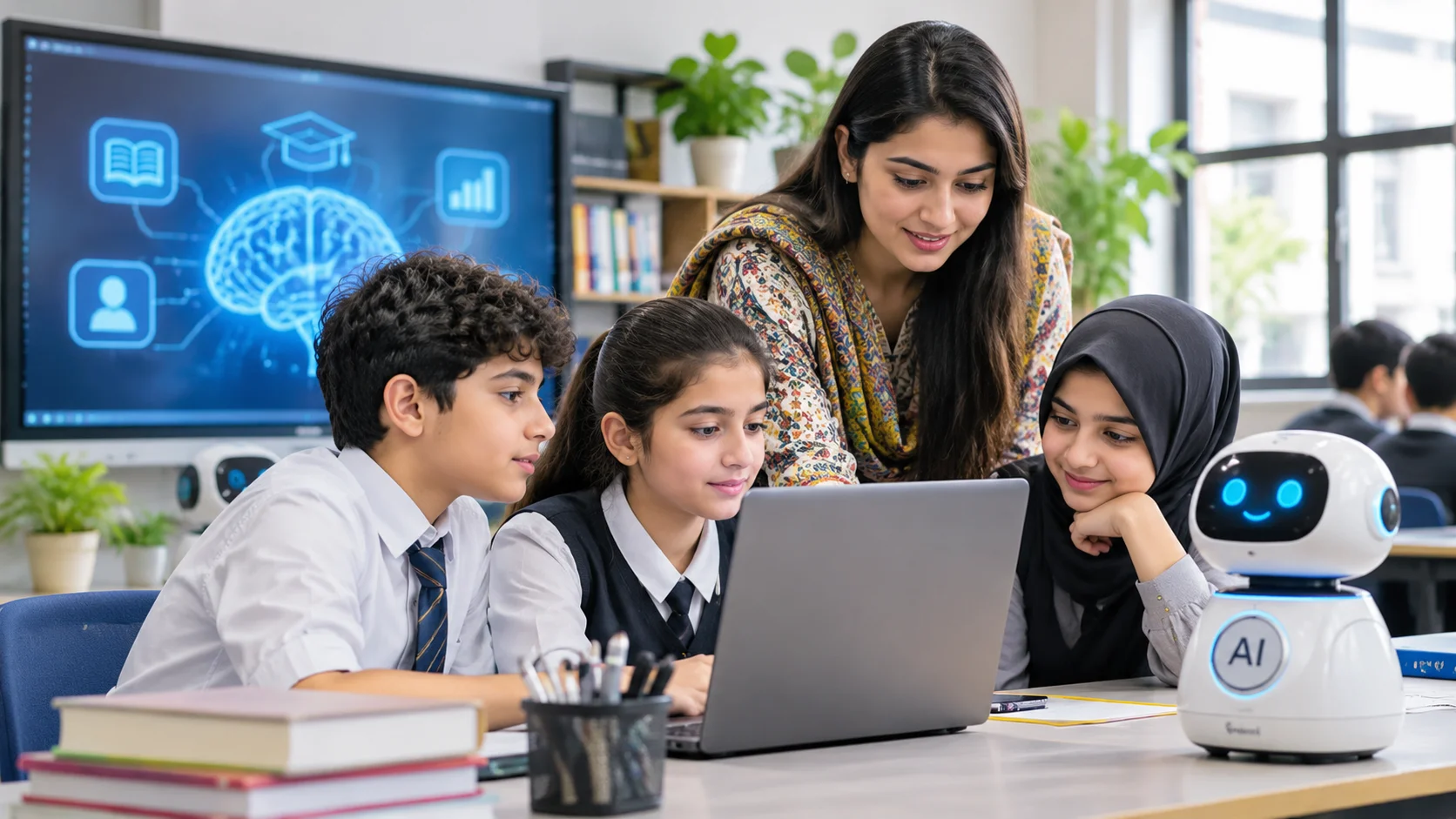
How Artificial Intelligence Is Changing Modern Learning
Education has changed significantly over the past few years. Students no longer depend only on textbooks, classroom lectures, and traditional teaching methods to understand new subjects. Digital platforms, online courses, and interactive learning tools have made education more flexible and accessible. One of the technologies contributing to this change is artificial intelligence.
Artificial intelligence is helping students learn at their own pace, giving teachers additional ways to support their classrooms, and making educational resources easier to access. From personalized study recommendations to intelligent tutoring systems, AI is becoming part of everyday learning experiences.
However, artificial intelligence is not replacing the importance of teachers, practical experience, or independent thinking. Its real value comes from helping people understand information, practice new skills, and manage their learning more effectively.
What Is Artificial Intelligence in Education?
Artificial intelligence in education refers to the use of computer systems that can analyze information, recognize patterns, and provide assistance with different learning activities. These systems can support students, teachers, educational institutions, and online learning platforms.
For example, an educational application may recommend additional exercises when a student struggles with a particular subject. Another system might help teachers organize learning materials, check certain types of assignments, or identify areas where students need extra support.
AI-powered educational tools are used for several purposes, including:
How AI Is Changing the Way Students Learn
Traditional classrooms often follow a common teaching schedule for an entire group of students. However, every learner has different strengths, interests, and learning requirements. Artificial intelligence can help make learning experiences more flexible by responding to individual progress.
1. Personalized Learning Experiences
Personalized learning is one of the most useful applications of artificial intelligence in education. AI-powered platforms can analyze a learner's answers, progress, and activity to recommend suitable lessons and exercises.
For example, a student who finds mathematics difficult may receive additional practice questions and simpler explanations. A student who already understands the topic can move toward more advanced exercises.
This approach gives learners more opportunities to study according to their individual needs instead of following exactly the same learning path.
2. Intelligent Tutoring Systems
Intelligent tutoring systems provide additional academic support outside regular classroom hours. They can explain concepts, offer hints, ask practice questions, and guide students through different learning activities.
These systems can be particularly useful when students need to review a lesson or practice a subject independently. However, students should still check important information and ask qualified teachers when they need detailed explanations.
3. Faster Feedback on Assignments
Some educational platforms use AI to provide immediate feedback on quizzes, multiple-choice questions, and selected written exercises. Students can identify mistakes and review difficult topics without always waiting for the next classroom session.
Teachers can also use automated assessment tools to reduce repetitive tasks. However, complex assignments, creative work, and important academic decisions still require careful human evaluation.
4. More Accessible Learning Resources
Artificial intelligence can help make educational content more accessible to people with different learning requirements. Speech-to-text tools, text-to-speech applications, automatic captions, and translation features can support students who face language or accessibility barriers.
These features can make online lessons easier to follow and allow more people to participate in educational activities.
5. Support for Independent Learning
Students often need to study outside the classroom to understand difficult subjects. AI-powered learning applications can help them review information, generate practice exercises, and organize study sessions.
Independent learning becomes more effective when students use these tools to understand concepts rather than simply copying answers.
Benefits of Artificial Intelligence in Education
Artificial intelligence offers several practical advantages when it is used responsibly and combined with effective teaching methods.
Flexible Study Schedules
Online learning platforms allow students to access lessons at different times. AI-powered recommendations can help learners decide which topics to review and what they should study next.
Better Learning Support
Students can receive additional explanations and practice opportunities when they struggle with a subject. This can help them build confidence and improve their understanding over time.
Reduced Repetitive Work for Teachers
Teachers spend time preparing lessons, organizing materials, reviewing assignments, and managing classroom activities. Certain AI tools can assist with repetitive administrative tasks, giving educators more time to focus on teaching and student development.
Improved Access to Educational Content
Digital educational resources can reach learners who may not have access to traditional classroom facilities. Translation, captions, and other accessibility features can further improve access to learning materials.
Learning Progress Insights
Some platforms provide reports showing completed lessons, quiz results, and areas where students need additional practice. Teachers and learners can use this information to plan future study activities.
Popular Uses of AI in Modern Education
Artificial intelligence is being applied in different areas of education. Its applications depend on the type of institution, available technology, and learning objectives.
Online Learning Platforms
Online learning platforms use recommendation systems and automated features to help learners discover relevant courses, organize lessons, and track their progress.
Language Learning Applications
Language learning applications can use speech recognition, interactive exercises, and automated feedback to help learners improve pronunciation, vocabulary, and grammar.
Virtual Learning Assistants
Virtual assistants can answer basic questions, provide study reminders, and direct students toward relevant learning resources. They can offer additional support between classroom sessions.
Educational Content Development
Teachers and course developers may use AI tools to prepare lesson outlines, create practice questions, organize educational material, and develop different explanations for complex topics.
Student Performance Analysis
Educational institutions can use learning analytics to review student participation, assessment results, and progress patterns. This information may help educators identify learners who could benefit from additional academic support.
How Teachers Can Use AI in the Classroom
Teachers remain central to the educational process because they understand student needs, classroom behavior, subject requirements, and the importance of personal guidance. Artificial intelligence can support their work without removing the human side of education.
Teachers can use AI-powered tools for:
Teachers should review AI-generated material before sharing it with students. They also need to ensure that educational content is accurate, suitable for the age group, and consistent with the curriculum.
Challenges of Using Artificial Intelligence in Education
Although AI can improve many learning activities, its use also creates challenges. Schools, teachers, students, and parents should understand these concerns before depending heavily on automated educational systems.
1. Incorrect or Misleading Information
AI systems can sometimes provide inaccurate explanations, outdated facts, or misleading answers. Students should compare important information with textbooks, trusted educational resources, and guidance from teachers.
2. Student Data Privacy
Educational applications may collect information about student accounts, learning activities, assessment results, and personal preferences. Schools and families should understand how this information is collected, stored, and protected.
3. Overdependence on Technology
Students who rely too heavily on automated tools may miss opportunities to develop independent thinking, research abilities, writing skills, and problem-solving techniques.
AI should support the learning process rather than complete every task on behalf of the student.
4. Unequal Access to Technology
Not every student has reliable internet access, a suitable device, or access to paid educational platforms. These differences can create barriers for learners from disadvantaged communities.
5. Academic Integrity
Students may misuse AI tools to complete assignments without understanding the subject. Educational institutions need clear guidelines explaining acceptable use, original work, and proper academic conduct.
6. Bias in Automated Systems
AI systems may produce unfair or unsuitable results because of limitations in their training data or design. Educational institutions should evaluate these systems carefully before using them for important student-related decisions.
How Students Can Use AI Responsibly
Students can benefit from artificial intelligence when they use it as a learning assistant rather than a replacement for their own effort. A balanced approach helps develop knowledge, confidence, and independent thinking.
Some practical ways to use AI responsibly include:
Skills Students Need in an AI-Powered Learning Environment
As technology becomes more common in education, students need more than the ability to operate digital tools. They also need skills that help them evaluate information and use technology effectively.
Digital Literacy
Students should understand how digital platforms work, how to protect their accounts, and how to recognize unreliable online information.
Critical Thinking
Critical thinking helps learners examine information, identify mistakes, compare different viewpoints, and make informed decisions.
Communication Skills
Clear communication is important for classroom discussions, group projects, presentations, and professional development.
Problem-Solving
Students should develop the ability to understand problems, consider possible solutions, and apply their knowledge in practical situations.
Adaptability
Technology changes over time. Learners who are comfortable exploring new tools and developing new skills can adapt more easily to changing educational and professional requirements.
How Schools Can Introduce AI Technology
Educational institutions should introduce artificial intelligence carefully, with clear objectives and appropriate guidance for teachers and students.
A practical approach can include the following steps:
The Future of Artificial Intelligence in Education
Artificial intelligence is likely to remain an important part of educational technology. Future developments may make digital learning environments more interactive, adaptable, and accessible.
More Personalized Digital Classrooms
Educational platforms may become better at recommending lessons, adjusting practice activities, and identifying areas where students need additional support.
Improved Language and Accessibility Tools
Advances in speech recognition, translation, and accessibility technology may help more learners participate in digital education.
Interactive Learning Experiences
AI may work alongside simulations, virtual environments, and interactive educational applications to provide additional ways to understand complex subjects.
New Opportunities for Educators
As educational technology develops, schools may need professionals who understand digital learning systems, instructional design, educational data, and technology integration.
Greater Focus on Responsible Technology
Privacy, fairness, transparency, and human oversight will remain important as educational institutions adopt more AI-powered systems.
Conclusion
Artificial intelligence is changing modern learning by making educational resources more flexible, supporting personalized study, and helping teachers manage certain classroom activities. From intelligent tutoring systems to language applications and learning analytics, AI provides new ways to support students and educators.
However, successful education still depends on human guidance, independent thinking, practical experience, and meaningful interaction between teachers and students. Artificial intelligence works best when it supports these elements rather than replacing them.
Students, teachers, and educational institutions can make better use of this technology by understanding its benefits, recognizing its limitations, and following responsible learning practices. With the right balance, artificial intelligence can become a useful part of a more accessible and effective educational experience.
Frequently Asked Questions
1. How is artificial intelligence changing modern learning?
AI is helping make learning more personalized through adaptive lessons, intelligent tutoring, automated feedback, language tools, and digital learning recommendations.
2. Can artificial intelligence replace teachers?
No. AI can assist with certain educational tasks, but teachers provide human guidance, classroom interaction, subject expertise, motivation, and personal support that automated systems cannot fully replace.
3. What are examples of AI in education?
Examples include intelligent tutoring systems, speech recognition, language learning applications, personalized learning platforms, automated feedback, and educational analytics.
4. How does AI support personalized learning?
AI-powered platforms can analyze learning activities and recommend lessons or exercises based on a student's progress and areas of difficulty.
5. Is AI useful for teachers?
Yes. Teachers can use AI tools to prepare lesson materials, organize resources, create practice questions, and support certain administrative activities.
6. What are the risks of using AI in education?
Important concerns include inaccurate information, student data privacy, unequal technology access, academic dishonesty, and overdependence on automated systems.
7. Can students use AI for homework?
Students can use approved AI tools to understand difficult concepts, practice questions, and organize their studies. They should follow school rules and complete assignments honestly.
8. Does AI make online learning better?
AI can improve some online learning experiences through personalized recommendations, interactive assistance, and faster feedback. The overall results still depend on teaching quality and suitable learning materials.
9. What skills are important in an AI-powered education system?
Digital literacy, critical thinking, communication, problem-solving, independent research, and adaptability are important skills for modern learners.
10. What is the future of AI in education?
Future applications may include more adaptive learning platforms, improved accessibility tools, interactive educational environments, and better support for teachers and students.
References and Further Reading
Continue exploring: all career guides · career categories