Artificial Intelligence

How to Become an Environmental Geologist

Learn how to become an environmental geologist, including education requirements, fieldwork, groundwater investigation, environmental assessments, essential skills and career opportunities.
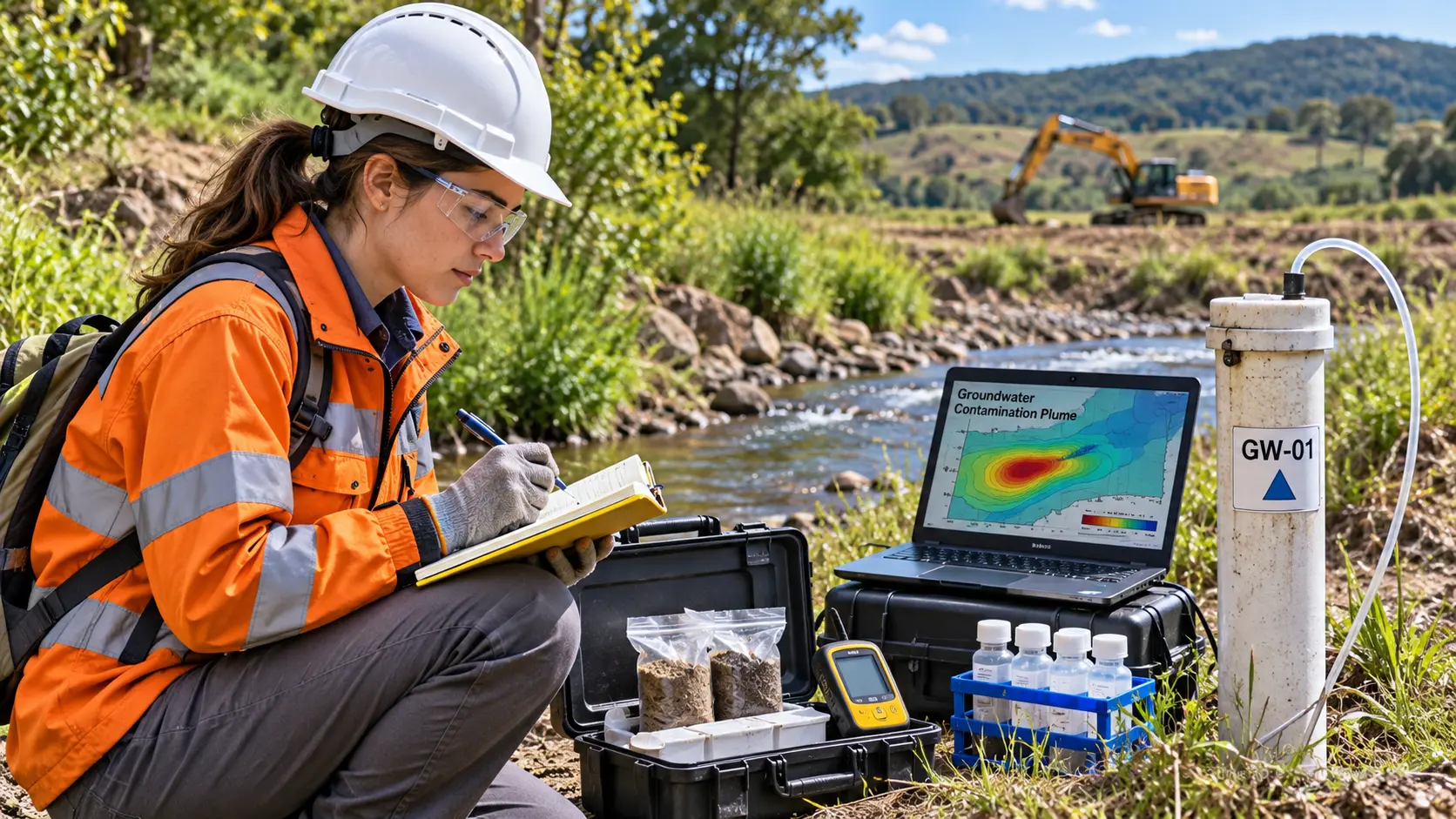
How to Become an Environmental Geologist featured image


How to Become an Environmental Geologist


Environmental geology is a field of Earth science that examines how geological processes, soil, rocks and groundwater interact with the environment. Environmental geologists investigate natural resources, assess contaminated land, study groundwater systems and help organizations understand the environmental effects of development and industrial activities.


As communities and industries focus on responsible resource management, environmental protection and sustainable development, environmental geology offers opportunities across consulting, government, engineering, research and natural resource management. This career combines scientific knowledge, field investigations, data analysis and environmental problem-solving.


1. What Is Environmental Geology?


Environmental geology applies geological knowledge to environmental issues and the responsible management of Earth's resources. It helps explain how natural geological conditions and human activities affect soil, groundwater, surface water and land stability.


Environmental geologists study topics such as groundwater movement, soil contamination, erosion, waste disposal, natural hazards and land development. Their investigations provide information that can support environmental assessments, site planning and remediation projects.


2. What Does an Environmental Geologist Do?


The responsibilities of an environmental geologist depend on the employer and project. Some professionals spend considerable time conducting field investigations, while others focus on laboratory results, technical reports, mapping or environmental consulting.


  • Conduct geological and environmental site assessments.
  •    
  • Investigate soil, rock and groundwater conditions.
  •    
  • Collect soil, water and geological samples.
  •    
  • Monitor groundwater levels and water quality.
  •    
  • Assess possible soil and groundwater contamination.
  •    
  • Prepare geological maps and environmental reports.
  •    
  • Evaluate erosion, slope stability and other geological risks.
  •    
  • Support environmental remediation and land restoration projects.
  •    
  • Help organizations meet relevant environmental requirements.
  •  


    3. Major Areas of Environmental Geology


    Environmental Site Assessment


    Environmental site assessment involves investigating land to identify existing or potential environmental concerns. Geologists may review historical land use, inspect site conditions, collect samples and evaluate geological information.


    • Review previous land use and available site records.
    •    
    • Inspect soil, rock and surface conditions.
    •    
    • Identify possible contamination sources.
    •    
    • Collect samples for laboratory testing.
    •    
    • Prepare findings and recommendations for further investigation.
    •  


      Groundwater Investigation


      Groundwater is an important natural resource used for drinking water, agriculture and industrial activities. Environmental geologists investigate underground water systems to understand groundwater movement, availability and possible contamination.


      • Study aquifers and underground geological formations.
      •    
      • Monitor groundwater levels.
      •    
      • Collect groundwater samples.
      •    
      • Interpret groundwater flow and quality information.
      •    
      • Investigate potential sources of groundwater pollution.
      •  


        Soil and Ground Contamination


        Soil contamination can result from industrial activities, waste disposal, fuel leaks and chemical releases. Environmental geologists help investigate affected areas and understand how contaminants may move through soil and groundwater.


        • Identify areas that may require soil investigation.
        •    
        • Coordinate soil sampling and laboratory analysis.
        •    
        • Interpret contamination results.
        •    
        • Evaluate possible pathways for contaminant movement.
        •    
        • Support remediation planning and monitoring.
        •  


          Geological Hazards and Land Stability


          Environmental geologists may investigate natural hazards that affect people, buildings and infrastructure. These can include landslides, erosion, subsidence and unstable ground conditions.


          • Examine geological conditions at proposed development sites.
          •    
          • Identify areas vulnerable to erosion or slope movement.
          •    
          • Study the geological factors associated with ground instability.
          •    
          • Prepare maps and reports describing potential hazards.
          •    
          • Support risk assessment and land-use planning.
          •  


            Environmental Management and Remediation


            Environmental remediation involves addressing contamination or other environmental problems. Geologists provide information about subsurface conditions that helps project teams select suitable investigation and cleanup methods.


            • Evaluate contaminated soil and groundwater conditions.
            •    
            • Monitor environmental conditions during remediation.
            •    
            • Review laboratory and field investigation results.
            •    
            • Document changes in environmental conditions.
            •    
            • Support site restoration and follow-up monitoring.
            •  


              4. Popular Environmental Geology Job Roles


              Environmental geology graduates can pursue different technical and professional positions depending on their education, experience and interests.


              • Environmental Geologist: Investigates geological conditions and environmental issues involving land, soil and groundwater.
              •    
              • Groundwater Geologist: Studies aquifers, groundwater movement and water resource conditions.
              •    
              • Environmental Consultant: Supports environmental assessments, investigations and compliance projects.
              •    
              • Site Assessment Geologist: Examines land and subsurface conditions to identify environmental concerns.
              •    
              • Remediation Geologist: Provides geological support for contaminated site investigation and cleanup.
              •    
              • Hydrogeologist: Studies groundwater systems, aquifers and underground water movement.
              •    
              • Environmental Field Geologist: Conducts site inspections, sampling and field investigations.
              •    
              • Geological Research Assistant: Supports environmental and Earth science research projects.
              •    
              • Environmental Project Specialist: Helps coordinate technical investigations, reports and environmental project activities.
              •  


                5. Qualifications Required to Become an Environmental Geologist


                A university education in geology or a related Earth science discipline is a common starting point for this career. Employers may also consider graduates from environmental science, geoscience and related programs when their coursework and practical skills match the position.


                Relevant Degree Programs


                • Bachelor's degree in Geology.
                •    
                • Bachelor's degree in Environmental Geology.
                •    
                • Bachelor's degree in Earth Sciences.
                •    
                • Bachelor's degree in Applied Geology.
                •    
                • Bachelor's degree in Environmental Science.
                •    
                • Bachelor's degree in Geoscience.
                •    
                • Master's degree in Hydrogeology or Environmental Geoscience for specialized roles.
                •    
                • Postgraduate study in Environmental Management or Contaminated Land Assessment.
                •  


                  Advanced positions may require postgraduate qualifications or professional registration, depending on the country and employer. Candidates should check the requirements that apply to their intended location and area of work.


                  6. Essential Skills for Environmental Geologists


                  Environmental geologists need a combination of geological knowledge, field investigation ability, environmental understanding and analytical skills.


                  Geological and Environmental Skills


                  • Geological mapping: Understanding and recording rock formations, soil types and geological structures.
                  •    
                  • Hydrogeology: Understanding aquifers, groundwater flow and underground water conditions.
                  •    
                  • Soil investigation: Identifying soil characteristics and interpreting sampling results.
                  •    
                  • Environmental assessment: Recognizing potential environmental risks and investigation requirements.
                  •    
                  • Sampling techniques: Collecting and documenting soil, rock and groundwater samples.
                  •    
                  • Risk assessment: Evaluating geological and environmental conditions that may affect a site.
                  •  


                    Technical and Data Skills


                    • GIS: Creating maps and analyzing geographic information.
                    •    
                    • Data analysis: Reviewing field measurements and laboratory results.
                    •    
                    • Groundwater modelling: Understanding tools used to study groundwater movement.
                    •    
                    • Spreadsheet software: Organizing environmental data and preparing calculations.
                    •    
                    • Technical reporting: Communicating investigation methods, findings and recommendations.
                    •  


                      Professional Skills


                      • Attention to detail.
                      •    
                      • Clear written and verbal communication.
                      •    
                      • Problem-solving and critical thinking.
                      •    
                      • Teamwork with scientists, engineers and project managers.
                      •    
                      • Time management and organization.
                      •    
                      • Awareness of field safety procedures.
                      •  


                        7. Fieldwork and Laboratory Experience


                        Practical experience is an important part of environmental geology. Fieldwork helps professionals understand real site conditions and collect information that cannot always be obtained from existing maps or records.


                        Common Field Activities


                        • Inspecting geological formations and site conditions.
                        •    
                        • Collecting soil and rock samples.
                        •    
                        • Installing or monitoring groundwater observation wells.
                        •    
                        • Measuring groundwater levels.
                        •    
                        • Recording field observations and sample locations.
                        •    
                        • Using GPS and field mapping equipment.
                        •  


                          Laboratory Activities


                          Environmental geologists may work with laboratory specialists to evaluate soil and water samples. Depending on the project, testing can examine physical and chemical properties, including contaminant concentrations and water quality indicators.


                          Understanding how samples are collected, stored, documented and analyzed helps geologists evaluate laboratory results accurately.


                          8. Software and Technical Tools


                          Environmental geologists use digital tools to organize field information, prepare maps, analyze results and support technical investigations. The software required varies by employer and specialization.


                          • QGIS: Open-source software for geographic mapping and spatial analysis.
                          •    
                          • ArcGIS: GIS software used for environmental mapping and geographic data management.
                          •    
                          • MODFLOW: A groundwater modelling system used to simulate groundwater flow.
                          •    
                          • Excel: Useful for organizing field data, laboratory results and calculations.
                          •    
                          • Python: Helps automate data processing and environmental analysis.
                          •    
                          • GPS equipment: Used to record sample locations and field investigation points.
                          •    
                          • Groundwater monitoring equipment: Supports measurements of groundwater levels and selected water quality parameters.
                          •  


                            Students should learn the scientific principles behind environmental investigations before relying on software. Practical projects can help connect technical tools with real geological questions.


                            9. Industries That Hire Environmental Geologists


                            Environmental geologists work in several sectors where land, water and geological conditions need to be investigated or managed.


                            • Environmental consulting: Site assessments, contamination investigations and environmental reports.
                            •    
                            • Government departments: Environmental monitoring, land management and natural resource protection.
                            •    
                            • Engineering firms: Geological investigations for construction and infrastructure projects.
                            •    
                            • Water resource organizations: Groundwater studies and water resource management.
                            •    
                            • Mining companies: Environmental monitoring and mine site rehabilitation.
                            •    
                            • Energy companies: Environmental assessments and groundwater investigations.
                            •    
                            • Research institutions: Environmental geology, hydrogeology and Earth science research.
                            •    
                            • Waste management organizations: Geological assessments for waste disposal and site monitoring.
                            •  


                              10. How to Become an Environmental Geologist


                              Building a career in environmental geology requires relevant education, practical experience and the ability to understand environmental and geological data. The following steps can help students and graduates prepare for entry-level opportunities.


                              1. Choose a relevant degree: Study geology, environmental geology, Earth science or a related subject.
                              2.    
                              3. Build geological fundamentals: Learn mineralogy, petrology, structural geology, soil science and hydrogeology.
                              4.    
                              5. Study environmental topics: Develop knowledge of groundwater, contamination, environmental assessment and land management.
                              6.    
                              7. Gain field experience: Participate in geological mapping, sampling and supervised site investigations.
                              8.    
                              9. Learn technical software: Practice using GIS tools and relevant data analysis applications.
                              10.    
                              11. Complete practical projects: Prepare a site assessment, groundwater study or environmental mapping project as part of academic work.
                              12.    
                              13. Apply for internships: Look for opportunities with environmental consultancies, engineering companies and research organizations.
                              14.    
                              15. Develop a professional CV: Highlight relevant coursework, fieldwork, technical tools and project experience.
                              16.    
                              17. Apply for graduate roles: Search for environmental geologist, field geologist, junior hydrogeologist and environmental consultant positions.
                              18.  


                                11. Career Progression


                                Environmental geologists can progress into specialist, project management and technical leadership roles. Career development depends on practical experience, technical knowledge, professional training and the responsibilities of each position.


                                1. Entry level: Graduate Geologist, Environmental Field Assistant or Junior Environmental Scientist.
                                2.    
                                3. Early career: Environmental Geologist, Site Assessment Geologist or Junior Hydrogeologist.
                                4.    
                                5. Experienced professional: Senior Environmental Geologist, Hydrogeologist or Remediation Specialist.
                                6.    
                                7. Management level: Environmental Project Manager, Technical Lead or Environmental Team Leader.
                                8.    
                                9. Advanced leadership: Principal Environmental Consultant, Technical Director or Environmental Geology Manager.
                                10.  


                                  Some professionals choose to specialize in groundwater, contaminated land, environmental impact assessment, geological hazards or environmental project management.


                                  12. Challenges in Environmental Geology


                                  Environmental investigations can be complex because geological conditions vary from one location to another. Professionals must interpret incomplete information, follow appropriate sampling procedures and communicate uncertainty clearly.


                                  • Variable ground conditions: Soil and rock properties can change significantly across a site.
                                  •    
                                  • Groundwater complexity: Underground water movement may be affected by geological structures and seasonal changes.
                                  •    
                                  • Contamination uncertainty: Identifying the source and extent of pollution can require detailed investigations.
                                  •    
                                  • Field conditions: Weather, difficult terrain and remote locations can affect site work.
                                  •    
                                  • Regulatory requirements: Environmental projects must follow applicable local laws and technical standards.
                                  •    
                                  • Data interpretation: Field measurements and laboratory results need careful evaluation before recommendations are made.
                                  •  


                                    13. Future Opportunities in Environmental Geology


                                    Environmental geology remains relevant to groundwater protection, land development, environmental restoration and natural resource management. Growing attention to water security, contaminated land, climate-related risks and responsible infrastructure planning creates ongoing needs for geological investigation and environmental assessment.


                                    Digital mapping, remote sensing, groundwater modelling and environmental data analysis are also changing how professionals investigate sites and monitor environmental conditions. These tools allow project teams to combine field observations with larger datasets and develop more detailed assessments.


                                    Professionals who combine strong geological knowledge with hydrogeology, GIS, data analysis and environmental investigation skills can prepare for a range of technical and consulting opportunities.


                                    Frequently Asked Questions


                                    1. What does an environmental geologist do?


                                    An environmental geologist studies geological conditions and their relationship with environmental issues. Responsibilities can include site assessments, soil and groundwater investigations, contamination studies and environmental reporting.


                                    2. Which degree is best for environmental geology?


                                    Geology, environmental geology, Earth science, applied geology and geoscience are relevant degree options. Some positions also consider environmental science graduates with suitable geological training.


                                    3. Is fieldwork important in environmental geology?


                                    Yes. Fieldwork is important for site inspections, geological mapping, soil sampling, groundwater monitoring and collecting information needed for environmental investigations.


                                    4. Do environmental geologists study groundwater?


                                    Yes. Many environmental geology roles involve studying aquifers, groundwater movement, water quality and possible sources of groundwater contamination.


                                    5. Which software is useful for environmental geologists?


                                    GIS applications such as QGIS and ArcGIS are useful for mapping. Excel and Python support data analysis, while MODFLOW is used in groundwater modelling workflows.


                                    6. Where can environmental geologists work?


                                    They can work for environmental consultancies, engineering firms, government agencies, water resource organizations, mining and energy companies, and research institutions.


                                    7. Can geology graduates become environmental consultants?


                                    Yes. Geology graduates can pursue environmental consulting roles by developing skills in site assessment, sampling, groundwater investigation, technical reporting and applicable environmental requirements.


                                    Conclusion


                                    Environmental geology combines Earth science with practical environmental investigation. Environmental geologists help assess land conditions, investigate groundwater, identify contamination concerns and support responsible development and resource management. A relevant degree, field experience, technical skills and knowledge of environmental assessment methods can provide a strong foundation for entering this profession.


                                    Continue exploring: all career guides · career categories