Artificial Intelligence

Hydrogeology Careers: Groundwater and Water Resources

Explore hydrogeology careers in groundwater science, water resource management and environmental research. Learn about job roles, qualifications, fieldwork, technical skills and career opportunities.
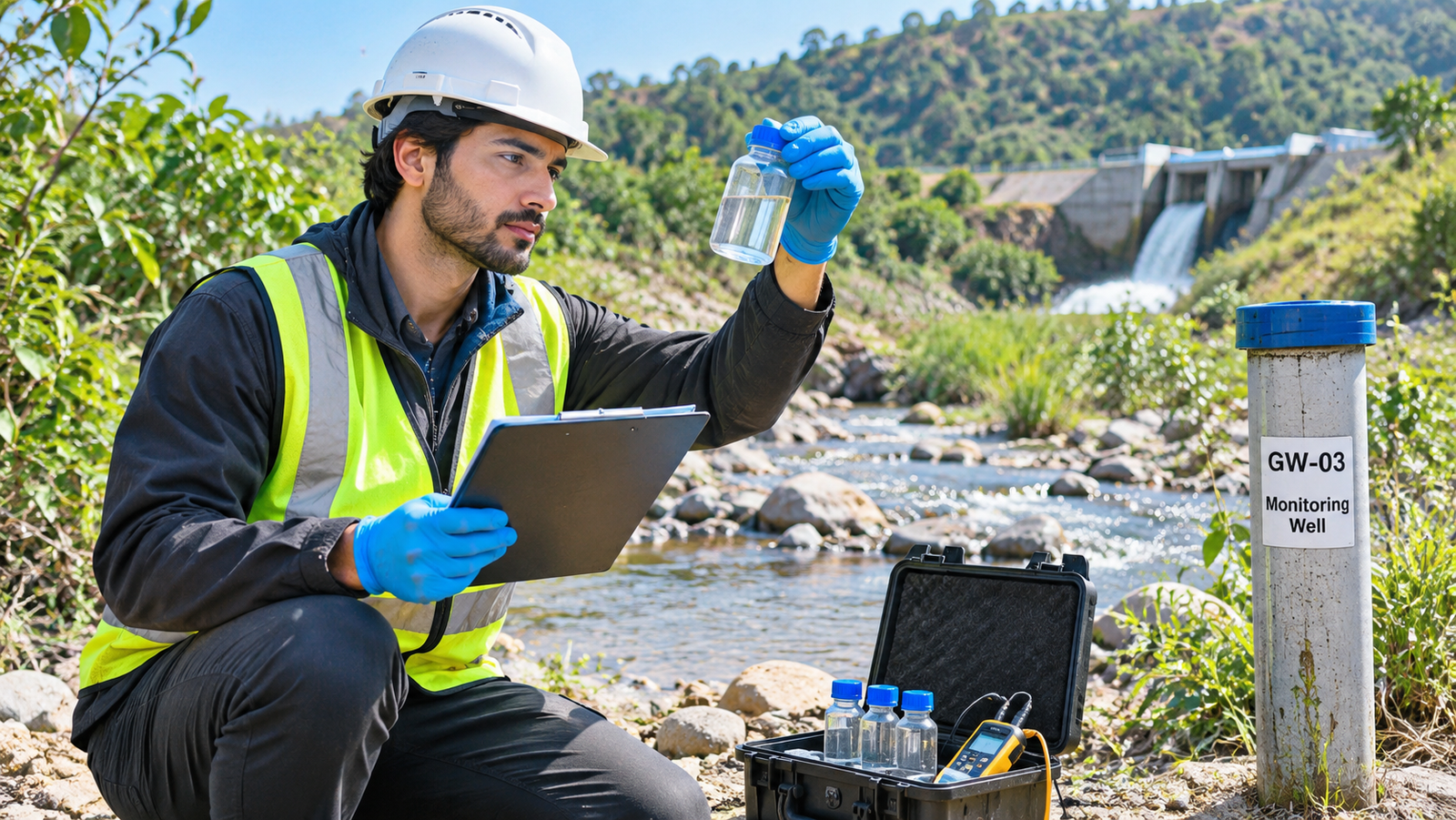
Hydrogeology Careers: Groundwater and Water Resources featured image


Hydrogeology Careers: Groundwater and Water Resources


Hydrogeology is the branch of Earth science that studies groundwater, its movement through rocks and soil, and its relationship with the wider environment. Groundwater supplies drinking water, supports agriculture, contributes to industrial activity and helps maintain rivers and wetlands. Hydrogeologists investigate underground water systems to understand their availability, quality and long-term sustainability.


Hydrogeology careers combine geology, hydrology, environmental science, field investigation and data analysis. Professionals may work on groundwater exploration, aquifer assessment, water quality monitoring, environmental consulting and water resource management. These roles are important for communities and organizations that depend on reliable groundwater supplies.


1. What Is Hydrogeology?


Hydrogeology is the scientific study of how water occurs and moves beneath the Earth's surface. Groundwater is stored in spaces between soil particles, sediment and fractures within rocks. These underground water-bearing formations are known as aquifers.


Hydrogeologists investigate how groundwater enters an aquifer, moves through geological materials and eventually reaches wells, springs, rivers or other water bodies. They also study how natural processes and human activities affect groundwater quantity and quality.


This knowledge is used in water supply planning, agricultural development, environmental protection, construction projects and groundwater contamination investigations.


2. Major Areas of Hydrogeology Careers


Groundwater Exploration


Groundwater exploration involves identifying underground water resources and evaluating whether they can support wells or other water supply systems. Hydrogeologists combine geological information, field observations and investigation techniques to understand underground conditions.


  • Study geological maps and existing groundwater records.
  •    
  • Identify potential groundwater-bearing formations.
  •    
  • Conduct field investigations and site assessments.
  •    
  • Interpret borehole and drilling information.
  •    
  • Recommend suitable locations for groundwater exploration.
  •  


    Aquifer Assessment and Groundwater Modelling


    Aquifer assessment examines the ability of underground formations to store and transmit water. Groundwater modelling uses mathematical and computer-based methods to represent groundwater movement and predict how an aquifer may respond to different conditions.


    • Evaluate aquifer properties and groundwater levels.
    •    
    • Interpret pumping test results.
    •    
    • Estimate groundwater flow and recharge.
    •    
    • Develop or interpret groundwater models.
    •    
    • Assess the effects of groundwater extraction.
    •  


      Water Quality and Contamination Investigation


      Groundwater quality specialists examine the chemical and physical characteristics of underground water. Their work helps identify contamination, assess potential risks and support decisions about water treatment or environmental protection.


      • Collect groundwater samples from monitoring wells.
      •    
      • Measure water quality parameters in the field.
      •    
      • Review laboratory test results.
      •    
      • Investigate possible contamination sources.
      •    
      • Prepare technical reports and monitoring recommendations.
      •  


        Water Resource Management


        Water resource management focuses on the responsible use and protection of available water supplies. Hydrogeologists contribute information about groundwater availability, recharge, extraction and environmental conditions.


        • Evaluate groundwater resources and demand.
        •    
        • Monitor changes in groundwater levels.
        •    
        • Assess the effects of excessive groundwater pumping.
        •    
        • Support sustainable water supply planning.
        •    
        • Contribute to groundwater protection strategies.
        •  


          Environmental Hydrogeology


          Environmental hydrogeologists investigate the relationship between groundwater and environmental systems. Their work may involve contaminated land, waste disposal sites, industrial facilities and construction projects.


          • Investigate groundwater conditions at project sites.
          •    
          • Assess potential contamination pathways.
          •    
          • Monitor groundwater near industrial or waste facilities.
          •    
          • Support environmental impact assessments.
          •    
          • Recommend groundwater protection and monitoring measures.
          •  


            3. Popular Hydrogeology Job Roles


            Hydrogeology employers recruit professionals for scientific investigation, fieldwork, modelling, environmental assessment and water management positions.


            • Hydrogeologist: Studies groundwater systems, aquifers, groundwater flow and water availability.
            •    
            • Groundwater Modeller: Develops or interprets models used to understand and predict groundwater movement.
            •    
            • Environmental Consultant: Investigates groundwater conditions and environmental risks for clients and development projects.
            •    
            • Groundwater Monitoring Specialist: Collects and evaluates groundwater level and quality information.
            •    
            • Water Resources Specialist: Supports water supply planning and sustainable resource management.
            •    
            • Geologist: Studies geological formations and their relationship with groundwater resources.
            •    
            • Field Geologist: Conducts site investigations, geological mapping and field data collection.
            •    
            • Contaminated Land Specialist: Investigates soil and groundwater contamination and supports remediation projects.
            •    
            • Research Scientist: Conducts research into groundwater processes, aquifers and water quality.
            •  


              4. Qualifications Required for Hydrogeology Careers


              Educational requirements depend on the employer and the type of work. Many professional hydrogeology positions require a bachelor's degree in geology, hydrogeology, Earth science or a related discipline. Specialized modelling, research and senior technical positions may require postgraduate education.


              Relevant Degree Programs


              • Bachelor's degree in Geology.
              •    
              • Bachelor's degree in Hydrogeology.
              •    
              • Bachelor's degree in Earth Sciences.
              •    
              • Bachelor's degree in Environmental Science.
              •    
              • Bachelor's degree in Hydrology or Water Resources.
              •    
              • Master's degree in Hydrogeology or Groundwater Science.
              •    
              • Postgraduate study in Environmental Geoscience or Water Resource Management.
              •  


                Some employers also consider graduates from environmental engineering, civil engineering and related scientific disciplines when they have relevant groundwater knowledge and practical experience.


                5. Essential Skills for Hydrogeologists


                Hydrogeology professionals need scientific knowledge, field investigation skills and the ability to interpret technical information. Important skills include:


                Scientific and Technical Skills


                • Geological knowledge: Understanding rocks, sediments, geological structures and aquifer formations.
                •    
                • Hydrology: Understanding groundwater recharge, flow, discharge and the water cycle.
                •    
                • Field investigation: Collecting groundwater measurements and samples using appropriate procedures.
                •    
                • Water quality analysis: Understanding physical and chemical water quality parameters.
                •    
                • Data interpretation: Evaluating field observations, laboratory results and monitoring records.
                •    
                • Technical reporting: Preparing clear reports, maps and investigation findings.
                •  


                  Software and Digital Skills


                  • GIS software: Mapping groundwater information and analyzing spatial data.
                  •    
                  • Groundwater modelling tools: Working with software such as MODFLOW where appropriate.
                  •    
                  • Excel: Organizing measurements and performing data analysis.
                  •    
                  • Python: Automating data processing and supporting scientific analysis.
                  •    
                  • CAD tools: Reviewing technical site drawings and investigation layouts.
                  •  


                    Professional Skills


                    • Analytical thinking and problem-solving.
                    •    
                    • Attention to detail during fieldwork and sampling.
                    •    
                    • Communication with clients and project teams.
                    •    
                    • Teamwork with geologists, engineers and environmental specialists.
                    •    
                    • Planning field investigations and managing time effectively.
                    •    
                    • Awareness of field safety and environmental procedures.
                    •  


                      6. Fieldwork in Hydrogeology


                      Fieldwork is an important part of many hydrogeology positions. Professionals may visit rivers, wells, boreholes, construction sites, agricultural areas and environmental monitoring locations to collect information about groundwater conditions.


                      Common field activities include:


                      • Measuring groundwater levels in monitoring wells.
                      •    
                      • Collecting water samples for laboratory analysis.
                      •    
                      • Recording geological and site conditions.
                      •    
                      • Conducting or observing pumping tests.
                      •    
                      • Inspecting groundwater monitoring equipment.
                      •    
                      • Preparing field notes, measurements and sample records.
                      •  


                        Fieldwork requires careful sampling methods, accurate documentation and attention to safety. The collected information is later used for technical assessments and groundwater management decisions.


                        7. Industries That Hire Hydrogeology Professionals


                        Hydrogeologists can work across several sectors because groundwater is important for drinking water, agriculture, industry and environmental protection.


                        • Environmental consulting: Groundwater investigations, contamination studies and environmental assessments.
                        •    
                        • Water utilities: Groundwater supply, wellfield management and water quality monitoring.
                        •    
                        • Mining companies: Mine water management, groundwater investigations and dewatering assessments.
                        •    
                        • Construction and infrastructure: Groundwater studies for foundations, tunnels and large development projects.
                        •    
                        • Agriculture: Groundwater availability, irrigation planning and water resource assessment.
                        •    
                        • Government agencies: Groundwater monitoring, water planning and environmental regulation.
                        •    
                        • Research institutions: Groundwater science, aquifer studies and environmental research.
                        •    
                        • Energy companies: Groundwater investigations related to energy projects and site management.
                        •  


                          8. How to Start a Career in Hydrogeology


                          Students and graduates can prepare for hydrogeology careers by building a strong foundation in Earth science and gaining practical experience.


                          1. Choose a relevant degree: Study geology, hydrogeology, Earth science, hydrology or a related discipline.
                          2.    
                          3. Learn groundwater fundamentals: Understand aquifers, recharge, groundwater flow and water quality.
                          4.    
                          5. Develop field skills: Gain experience with sampling, groundwater level measurements and geological observations.
                          6.    
                          7. Learn technical software: Practice GIS, data analysis and relevant groundwater modelling tools.
                          8.    
                          9. Complete academic projects: Work on groundwater mapping, water quality or aquifer assessment assignments.
                          10.    
                          11. Apply for internships: Seek opportunities with environmental consultancies, water organizations and research institutions.
                          12.    
                          13. Prepare a professional CV: Highlight field experience, technical skills and relevant scientific projects.
                          14.    
                          15. Apply for entry-level positions: Search for graduate geologist, field assistant, groundwater technician and junior hydrogeologist roles.
                          16.  


                            9. Hydrogeology Career Progression


                            Career progression depends on technical experience, education, professional development and the complexity of projects handled.


                            1. Entry level: Field Assistant, Graduate Geologist or Junior Environmental Scientist.
                            2.    
                            3. Early career: Junior Hydrogeologist, Groundwater Technician or Environmental Consultant.
                            4.    
                            5. Experienced professional: Senior Hydrogeologist, Groundwater Modeller or Project Specialist.
                            6.    
                            7. Management level: Hydrogeology Project Manager, Technical Manager or Water Resources Manager.
                            8.    
                            9. Advanced leadership: Principal Hydrogeologist, Technical Director or Groundwater Research Lead.
                            10.  


                              Professionals may also specialize in groundwater modelling, water quality, contaminated land, mine water management or water resource planning.


                              10. Challenges in Groundwater Management


                              Groundwater systems can be difficult to investigate because they are located beneath the surface and are not always directly visible. Hydrogeologists must interpret different types of evidence to understand underground conditions.


                              • Limited information: Underground geological conditions may vary significantly across short distances.
                              •    
                              • Over-extraction: Excessive pumping can lower groundwater levels and affect nearby water users.
                              •    
                              • Contamination: Pollutants from industrial, agricultural or urban sources can affect groundwater quality.
                              •    
                              • Climate variability: Changes in rainfall and drought conditions can influence groundwater recharge.
                              •    
                              • Data uncertainty: Incomplete monitoring records can make groundwater assessments more difficult.
                              •    
                              • Resource planning: Water managers must balance human demand with environmental needs.
                              •  


                                11. Future Opportunities in Hydrogeology


                                Groundwater science remains important as communities, industries and agricultural systems need reliable water supplies. Growing attention to water security, environmental protection and climate resilience creates ongoing work in groundwater assessment and management.


                                New monitoring technologies, geographic information systems, remote sensing and computer-based groundwater models are improving how professionals collect and interpret information. These tools can help identify changes in groundwater levels, assess aquifer conditions and support more informed water management decisions.


                                Professionals who combine geological knowledge with field investigation, data analysis and digital skills can prepare for a wide range of hydrogeology and environmental science roles.


                                Frequently Asked Questions


                                1. What does a hydrogeologist do?


                                A hydrogeologist studies groundwater, aquifers and underground water movement. Their work may include field investigations, groundwater sampling, modelling, water quality assessment and resource management.


                                2. Which degree is best for a hydrogeology career?


                                Geology, hydrogeology, Earth science, hydrology and environmental science are relevant degree options. Some employers also consider graduates from related engineering and scientific disciplines.


                                3. Do hydrogeologists work outdoors?


                                Many hydrogeologists conduct fieldwork at wells, rivers, boreholes and investigation sites. The amount of outdoor work depends on the position, employer and specialization.


                                4. What is an aquifer?


                                An aquifer is an underground geological formation that can store and transmit groundwater in usable quantities under suitable conditions.


                                5. Which software is useful in hydrogeology?


                                GIS tools, groundwater modelling software such as MODFLOW, Excel and Python can be useful for mapping, modelling and analyzing groundwater information.


                                6. Where can hydrogeologists find jobs?


                                Hydrogeologists may work for environmental consultancies, water utilities, government agencies, mining companies, construction organizations and research institutions.


                                Conclusion


                                Hydrogeology offers career opportunities for people interested in geology, groundwater science and environmental management. Professionals contribute to groundwater exploration, aquifer assessment, water quality monitoring and sustainable water resource planning. By gaining relevant qualifications, developing field and analytical skills and learning modern technical tools, graduates can prepare for careers that support responsible groundwater use and environmental protection.


                                Continue exploring: all career guides · career categories