
Public Health Careers: Skills and Career Options
Explore public health careers, including epidemiology, health promotion, healthcare policy, biostatistics, community health, essential skills, and professional opportunities.
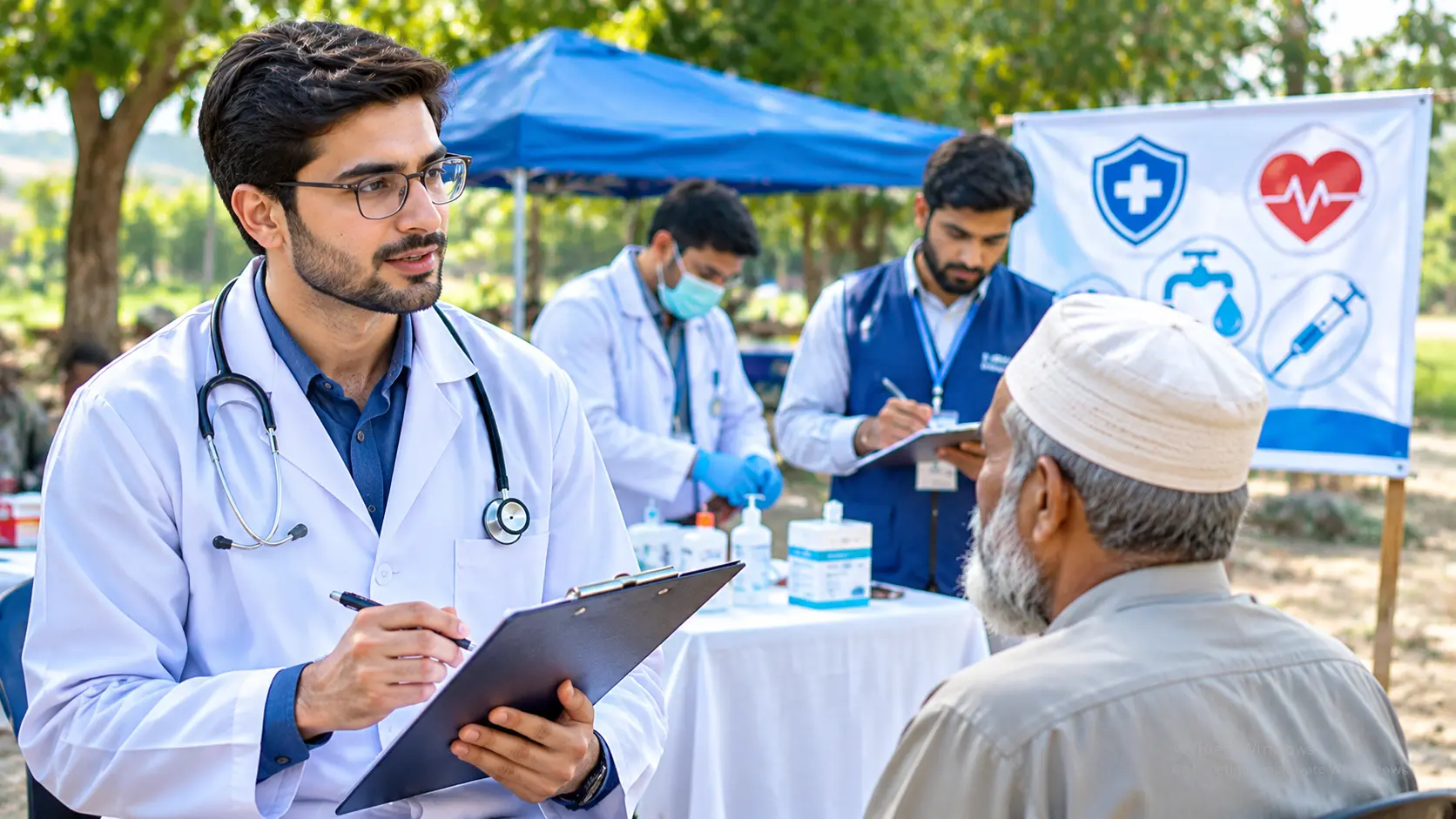
Public Health Careers: Skills and Career Options
Public health careers offer opportunities for people who want to improve community well-being, prevent diseases, promote healthier lifestyles, and strengthen healthcare systems. Unlike many clinical healthcare professions that focus on treating individual patients, public health professionals work to protect and improve the health of entire populations.
From epidemiologists and health educators to biostatisticians, environmental health specialists, and healthcare policy analysts, public health includes a wide range of professional opportunities. These roles involve research, disease prevention, health education, data analysis, and the development of policies that support healthier communities.
For students and professionals interested in healthcare, science, research, and social development, understanding public health career options can help identify a suitable educational and professional pathway.
What Is Public Health?
Public health is the science and practice of protecting and improving the health of populations through disease prevention, health promotion, research, education, and organized community efforts.
Public health professionals study health problems, identify risk factors, monitor disease patterns, and develop strategies to reduce health risks. Their work often involves collaboration with hospitals, government agencies, research institutions, nonprofit organizations, and international health organizations.
Important areas of public health include:
Why Choose a Career in Public Health?
Public health can be a meaningful career choice for individuals who want to contribute to society through research, education, healthcare planning, and disease prevention.
There are several reasons why students consider entering this field:
Top Public Health Career Options
Public health includes multiple specializations with different responsibilities, educational requirements, and working environments. The following career paths provide an overview of common opportunities.
1. Epidemiologist
Epidemiologists investigate patterns, causes, and effects of diseases and other health conditions within populations. Their research helps public health authorities understand health risks and develop prevention strategies.
Typical responsibilities include:
Important skills include research methods, statistics, epidemiological analysis, data interpretation, and scientific communication.
2. Public Health Educator
Public health educators develop programs that help individuals and communities understand health risks and make informed decisions about their well-being.
They may work with schools, community organizations, healthcare facilities, and government agencies.
Common responsibilities include:
3. Biostatistician
Biostatisticians apply statistical methods to public health research, clinical studies, and healthcare data. They help researchers interpret information and evaluate whether findings are statistically meaningful.
Their responsibilities may include:
Useful skills include mathematics, statistics, probability, data analysis, and programming tools such as R, Python, and SAS.
4. Environmental Health Specialist
Environmental health specialists study how environmental conditions affect human health. They help identify and reduce risks associated with air quality, water safety, sanitation, waste management, and workplace environments.
Common responsibilities include:
5. Public Health Policy Analyst
Public health policy analysts examine healthcare policies, public health programs, regulations, and population health information. They help organizations understand the potential effects of policy decisions.
Their work may involve:
6. Community Health Worker
Community health workers connect individuals and families with health information, community services, and available healthcare resources. They often work directly with local populations to understand their needs and improve access to services.
Typical responsibilities include:
Training and certification requirements vary by country and employer.
7. Global Health Specialist
Global health specialists work on health challenges that affect populations across different countries and regions. Their work may involve international disease prevention programs, health research, healthcare development, and emergency response planning.
Potential responsibilities include:
8. Public Health Program Manager
Public health program managers plan, coordinate, and evaluate health-related projects. They may supervise teams, manage budgets, coordinate partnerships, and monitor program performance.
Common responsibilities include:
9. Health Data Analyst
Health data analysts examine healthcare and population health information to identify patterns, measure performance, and support informed decision-making.
They may work with hospitals, research organizations, insurance companies, government agencies, and healthcare technology providers.
Important skills include:
10. Maternal and Child Health Specialist
Maternal and child health specialists focus on improving health outcomes for pregnant women, mothers, infants, and children. Their work may involve preventive health programs, community education, research, and healthcare service planning.
Common responsibilities include:
Essential Skills for Public Health Careers
Public health professionals need a combination of scientific knowledge, research abilities, communication skills, and practical experience. The exact requirements depend on the selected specialization.
1. Research and Analytical Skills
Research is an important part of public health. Professionals need to understand how to collect information, evaluate evidence, identify trends, and interpret research findings.
Useful abilities include:
2. Epidemiology and Statistics
Understanding epidemiology and statistics helps professionals investigate health patterns and evaluate public health interventions.
Knowledge of disease surveillance, population studies, probability, statistical analysis, and research interpretation can be valuable in many public health positions.
3. Communication Skills
Public health professionals often communicate with communities, researchers, healthcare workers, government representatives, and other stakeholders.
Clear writing, presentations, public speaking, and the ability to explain complex health information are important professional skills.
4. Data Analysis and Digital Skills
Modern public health increasingly uses digital systems and data analysis tools to monitor population health and evaluate programs.
Useful tools and technologies include:
5. Project Management
Public health projects often involve multiple organizations, teams, and community partners. Professionals should understand planning, budgeting, scheduling, resource allocation, and program evaluation.
6. Cultural Awareness and Teamwork
Public health professionals work with people from different backgrounds and communities. Cultural awareness, respect, collaboration, and ethical decision-making help support effective public health programs.
Education and Qualifications for Public Health Careers
Educational requirements depend on the selected job role, country, and employer. Many entry-level positions require a relevant bachelor's degree, while specialized research, management, and advanced professional roles may require postgraduate education.
Bachelor's Degree
A bachelor's degree in public health or a related subject can provide a foundation in population health, health promotion, environmental health, research methods, and healthcare systems.
Related academic backgrounds may include:
Master of Public Health (MPH)
A Master of Public Health is a postgraduate qualification designed to develop advanced knowledge of population health, disease prevention, research, and public health practice.
Common areas of study include:
Doctoral and Research Qualifications
Doctoral programs such as a PhD in Public Health or related disciplines can prepare professionals for advanced research, university teaching, and senior scientific positions.
Some specialized roles also require professional registration, licensing, or additional certifications according to local regulations.
Industries and Organizations Hiring Public Health Professionals
Public health graduates can explore opportunities in different sectors. Employment options depend on qualifications, experience, and regional healthcare needs.
Government Health Departments
Government agencies employ public health professionals in disease surveillance, health policy, community programs, environmental health, and healthcare planning.
Hospitals and Healthcare Systems
Hospitals and healthcare organizations hire professionals for population health management, quality improvement, infection prevention programs, research, and health data analysis.
Research Institutions and Universities
Academic and research organizations offer opportunities in epidemiological research, biostatistics, health sciences, teaching, and population health studies.
Nonprofit Organizations
Nonprofit organizations work on health education, community development, disease prevention, maternal health, nutrition, and healthcare access initiatives.
International Health Organizations
International organizations support public health programs, research, disease prevention, emergency response, and healthcare development across different countries.
Private Healthcare and Consulting
Private healthcare companies, research consultancies, and health technology businesses may hire public health professionals for data analysis, healthcare research, program evaluation, and policy-related work.
Public Health Career Opportunities Around the World
Public health is an international field because communities across the world face challenges related to infectious diseases, chronic conditions, environmental risks, healthcare access, and health inequalities.
Professionals may explore opportunities in their home countries or pursue international positions depending on qualifications, work experience, language skills, and employment requirements.
Before applying for an international role, candidates should review:
How to Start a Career in Public Health
Starting a public health career becomes easier when students follow a structured learning and professional development plan.
Step 1: Choose a Relevant Educational Path
Explore degree programs in public health, health sciences, biology, environmental science, or other related disciplines. Select a program that matches your preferred career direction.
Step 2: Understand Core Public Health Subjects
Develop foundational knowledge in epidemiology, biostatistics, health promotion, environmental health, research methods, and healthcare systems.
Step 3: Develop Practical Skills
Practice research, data analysis, communication, and report writing. Learn relevant software and tools according to your selected specialization.
Step 4: Gain Practical Experience
Look for internships, research assistant positions, community health projects, and volunteer opportunities with relevant organizations.
Step 5: Select a Specialization
Choose an area such as epidemiology, health education, environmental health, health policy, global health, or biostatistics.
Step 6: Build a Professional Resume
Include your educational background, research experience, internships, relevant skills, certifications, and project work.
Step 7: Apply for Suitable Positions
Search for entry-level opportunities that match your qualifications. Review job descriptions carefully and prepare for interviews by understanding the responsibilities of each role.
Common Challenges in Public Health Careers
Public health work can be meaningful, but professionals may face several challenges while developing and managing health programs.
Complex Health Problems
Population health challenges often involve multiple social, environmental, economic, and healthcare factors. Finding effective solutions requires research and collaboration.
Limited Resources
Some public health programs operate with restricted budgets, staff, and infrastructure. Professionals must prioritize activities and use available resources effectively.
Data Quality and Privacy
Public health research depends on accurate information. Professionals must also protect personal health information and follow applicable privacy and data protection requirements.
Community Engagement
Health initiatives may face communication barriers, cultural differences, or limited community participation. Building trust and understanding local needs are important for successful programs.
Changing Health Risks
New disease patterns, environmental changes, and emerging health concerns require public health professionals to update their knowledge and adapt their strategies.
Future of Public Health Careers
Public health continues to evolve as healthcare systems adopt new technologies and respond to changing population health needs.
Digital Public Health
Digital health platforms, electronic health records, and online reporting systems are creating new ways to collect and manage health information.
Artificial Intelligence and Health Analytics
AI and advanced analytics are being explored for health data analysis, research support, disease surveillance, and healthcare planning. These technologies require careful evaluation, privacy protection, and human oversight.
Climate and Environmental Health
Environmental changes can affect air quality, water safety, food systems, and the spread of certain health risks. Environmental health expertise will remain important for understanding and addressing these challenges.
Preventive and Community-Based Healthcare
Healthcare systems continue to emphasize prevention, health education, early intervention, and community-based services.
Global Disease Surveillance
Monitoring disease patterns and sharing reliable health information are important for identifying emerging threats and supporting coordinated public health responses.
Conclusion
Public health careers offer a wide range of opportunities for individuals interested in improving population health, preventing diseases, conducting research, and strengthening healthcare systems.
From epidemiologists and biostatisticians to health educators, policy analysts, and environmental health specialists, the field includes professional roles that combine scientific knowledge with practical community impact.
Students planning to enter public health should focus on relevant education, research skills, data analysis, communication, and practical experience. Choosing a suitable specialization and continuing professional development can help create a strong foundation for a long-term career.
Frequently Asked Questions
1. What are the most common public health careers?
Common public health careers include epidemiologist, public health educator, biostatistician, environmental health specialist, health policy analyst, community health worker, and public health program manager.
2. What degree is required for a public health career?
Many entry-level positions accept a relevant bachelor's degree. Specialized and senior roles may require a Master of Public Health, a related postgraduate qualification, or additional professional credentials.
3. Is public health a good career choice?
Public health can be a suitable career for people interested in science, research, disease prevention, healthcare systems, and community development. Career opportunities vary by location and specialization.
4. What skills are important in public health?
Important skills include research, epidemiology, statistics, data analysis, communication, project management, teamwork, and critical thinking.
5. Can public health graduates work internationally?
Yes. Public health professionals may apply for international opportunities with research institutions, government agencies, nonprofit organizations, and international health organizations, subject to local employment and qualification requirements.
6. What does an epidemiologist do?
An epidemiologist studies disease patterns, risk factors, and health trends in populations. Their research supports disease prevention, health monitoring, and public health planning.
7. What is a Master of Public Health?
A Master of Public Health is a postgraduate degree that provides advanced training in population health, epidemiology, biostatistics, health policy, and disease prevention.
8. Do public health professionals need data analysis skills?
Data analysis is valuable in many public health roles, especially epidemiology, biostatistics, health research, and program evaluation. The required level depends on the position.
9. Where can public health professionals work?
They can work in government health departments, hospitals, universities, research institutions, nonprofit organizations, international agencies, and private healthcare companies.
10. What is the future of public health?
Important areas include digital health, disease surveillance, environmental health, preventive healthcare, health data analytics, and global health research.
References and Learning Resources
Continue exploring: all career guides · career categories